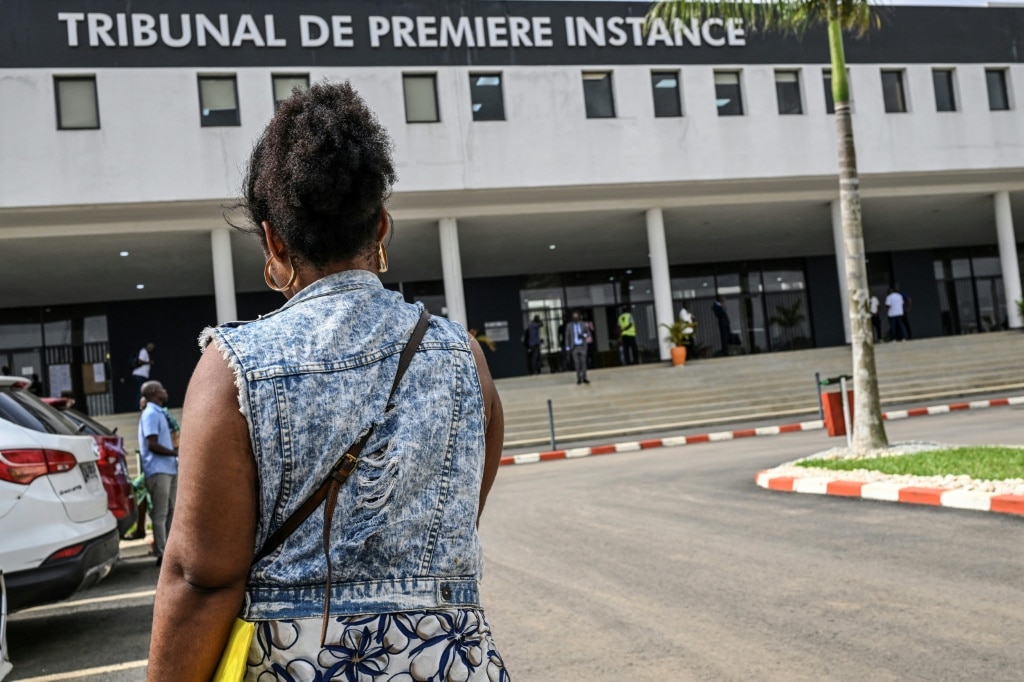
In Ivory Coast, a powerful social taboo against divorce creates a prison of silence for countless women trapped in unhappy marriages. Despite discovering her husband’s infidelity and crippling debts three years ago, healthcare professional Josy remains bound to her marriage by overwhelming societal pressure. “In Africa, a divorced woman is singled out,” she explains, echoing the traditional advice to “rein in your heart” that keeps women in untenable situations.
Official statistics reveal the stark reality: Ivory Coast maintains an exceptionally low divorce rate, with only 1,835 divorce petitions filed against 30,912 marriages in 2024. This disparity stems from a complex web of cultural, financial, and institutional barriers that disproportionately affect women.
Anne Bera-Dasse, a family law attorney with over thirty years of experience, identifies the cumbersome judicial process as a significant deterrent. Divorce proceedings, particularly those contested, can extend for years while accumulating substantial legal costs. Financial dependency further complicates matters, as many women abandon careers upon marriage or lack economic autonomy.
Nina, a 40-year-old woman whose husband left with three of their four children five years ago, embodies this financial trap. “I really want a divorce but I can’t afford it,” she admits, struggling even to maintain contact with her children.
Corine Moussa Vanie, chair of Akwaba Mousso (an organization supporting victims of gender-based violence), emphasizes that Ivorian society prioritizes marital appearance over personal fulfillment. “Even if you have degrees, for a woman the pinnacle of success is marriage,” she notes, adding that families often encourage daughters to endure hardship to maintain social standing.
Yet a growing feminist consciousness challenges these norms. Yacine, 42, emerged from a two-year legal battle transformed. “Today my children are happy… to see me happy,” she reflects, having reclaimed her health and peace of mind. Her journey required navigating an unfamiliar legal system alone, facing intrusive questioning in court—a taxing experience that nonetheless liberated her from living for others’ approval.
While Yacine now cautiously entertains new romantic prospects, her primary commitment remains: “I want to live for myself.” Her story represents a quiet revolution against the stigma that continues to silence most Ivorian women, who choose suffering over social condemnation in a society where marriage signifies success regardless of its actual conditions.