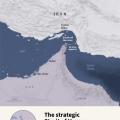
Japan’s Defense Ministry has formally declined immediate participation in U.S.-proposed maritime security operations in the Strait of Hormuz, despite direct appeals from President Donald Trump for allied naval support. Defense Minister Shinjiro Koizumi stated before parliament on Monday that the government is “not at the moment considering issuing a maritime security operation” in response to escalating tensions with Iran.
The rejection follows Trump’s weekend call for international reinforcements, including from key Asian ally Japan, wherein he pledged U.S. Navy escorts for tankers traversing the critical Middle Eastern oil route. The Japanese response highlights significant legal and political obstacles to overseas military deployment under the nation’s pacifist constitution.
Prime Minister Sanae Takaichi emphasized the “extremely difficult legal” challenges surrounding such operations, reflecting Japan’s unique constitutional position that renounces war and limits military activities abroad. This stance enjoys broad public support despite evolving security debates.
Takayuki Kobayashi, policy chief of the ruling Liberal Democratic Party, reinforced this position Sunday, noting the “extremely high” threshold for deploying Japanese warships overseas. The decision carries substantial economic implications for Japan, which imports 95% of its oil from the Middle East with approximately 70% transiting through the contested Strait of Hormuz.
The current tensions stem from Iran’s effective closure of the strategic waterway in retaliation against U.S.-Israeli policies targeting Tehran, creating global energy security concerns that have prompted the American calls for international naval cooperation.