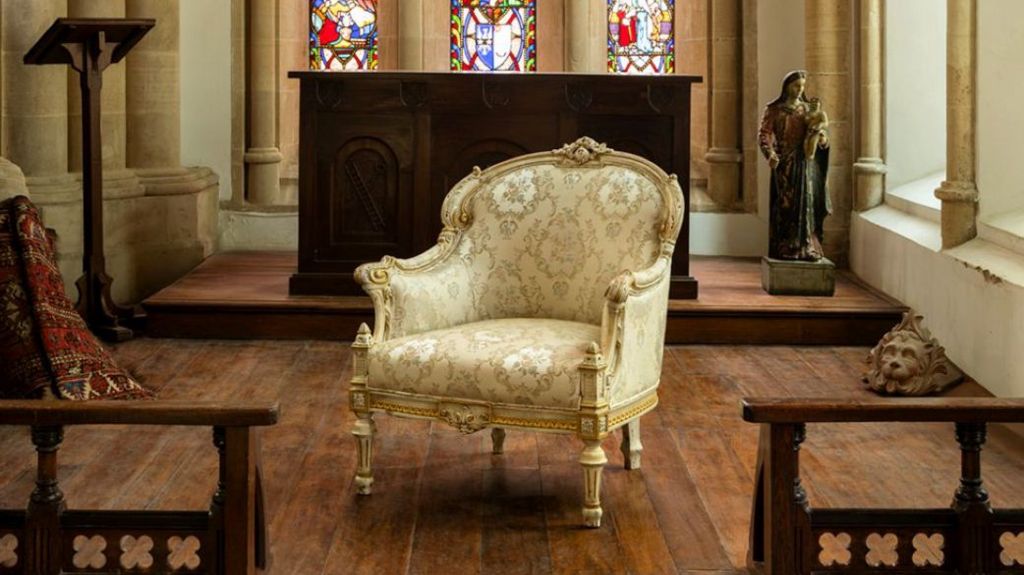
An extraordinary exhibition in Mumbai titled ‘A History of India through Chairs’ has unveiled the nation’s complex cultural narrative through an unexpected medium: seating furniture. Featuring over 200 meticulously restored chairs, the exhibition presents a chronological journey through India’s design evolution from pre-colonial times to contemporary eras.
The collection, assembled over decades by restoration experts Anand Gandhi and Chiki Doshi of House of Mahendra Doshi, reveals how colonial invasions between the 16th and 19th centuries left enduring imprints on Indian craftsmanship. European powers including the Dutch, Portuguese, French and British not only imported their furniture traditions but commissioned local artisans to replicate European designs, creating a unique fusion of Eastern and Western aesthetics.
Co-curator Vivek Gandhi explains: ‘Colonial administrators brought their furniture traditions and commissioned Indian artisans to create pieces blending European designs with local materials. This created India’s distinctive furniture heritage that combines international influences with indigenous craftsmanship.’
The exhibition showcases remarkable restoration achievements, including an eight-month project to revive a ceramic bead-covered ‘moti chair’ from Gujarat. Among the highlights is a rare lounge chair by Swiss-French architect Le Corbusier, who contributed to Chandigarh’s design in the 1950s, and Anglo-Portuguese style chairs from former Portuguese colony Goa.
Notable pieces include a 17th-century Carolean-style chair likely used by British officials, an imposing Anglo-Indian teakwood throne chair symbolizing colonial authority, and an 18th-century Indo-Portuguese bishop’s chair later repurposed for government use. The collection also celebrates India’s rich hardwoods—teak, rosewood, and ebony—and the enduring tradition of intricate handcrafting by local artisans.
Through these restored artifacts, the exhibition demonstrates how everyday objects can serve as historical documents, revealing stories of cultural exchange, power dynamics, and artistic adaptation across centuries.