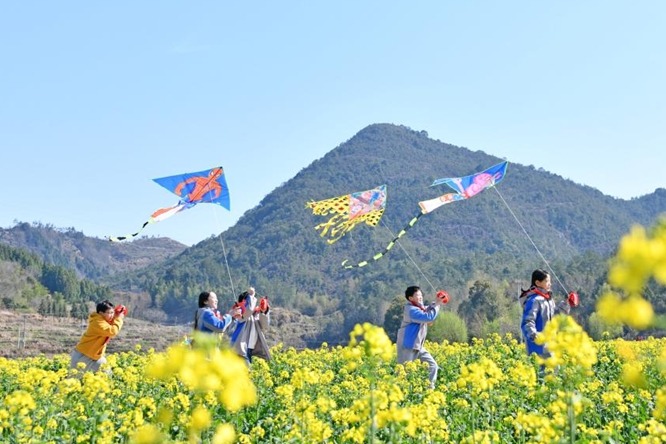
China’s domestic tourism sector anticipates significant growth as multiple provinces implement spring break policies for primary and secondary students. The initiative, recently endorsed in the Government Work Report during the National People’s Congress sessions, represents a coordinated effort to stimulate consumer spending while addressing educational wellbeing.
Several regions have already announced concrete plans, with Chengdu in Sichuan Province leading the way by scheduling a three-day spring break from April 1-3. When combined with the upcoming Tomb Sweeping Day holiday (April 4-6), students could enjoy a continuous six-day vacation period. Similar arrangements have been confirmed in Jiangsu Province cities including Nanjing and Suzhou.
The tourism industry reports surging interest in both domestic and international destinations. Data from online travel platform LY.com indicates flight searches and bookings for the late March to early April period have doubled compared to previous weeks. Popular domestic choices include Sanya’s tropical landscapes, Kunming’s mild climate, and Guangzhou’s culinary attractions. International destinations such as Hong Kong, Macao, Bangkok, and Singapore also feature prominently in family travel plans.
Industry experts highlight the strategic timing of these breaks. Qi Chunguang, Vice-President of travel portal Tuniu, noted that some regions have scheduled breaks in late April or early May, potentially creating eight-day holiday periods when combined with the May Day holiday. This extended timeframe enables more substantial family trips to cultural and natural attractions, particularly benefiting off-peak travel segments.
Academic and policy experts emphasize the broader implications. Lu Ming, Professor at Shanghai Jiao Tong University’s Antai College of Economics and Management and member of the National Committee of the Chinese People’s Political Consultative Conference, advocates for nationwide implementation. He suggests that synchronized paid leave policies for parents would maximize the initiative’s benefits, creating opportunities for family bonding while stimulating economic activity through tourism expenditure.
The policy represents a multifaceted approach to addressing contemporary needs—balancing educational pressures on students with growing consumption demands as household incomes rise. By creating structured opportunities for family travel during shoulder seasons, authorities aim to distribute tourism revenue more evenly throughout the year while enhancing overall life satisfaction.