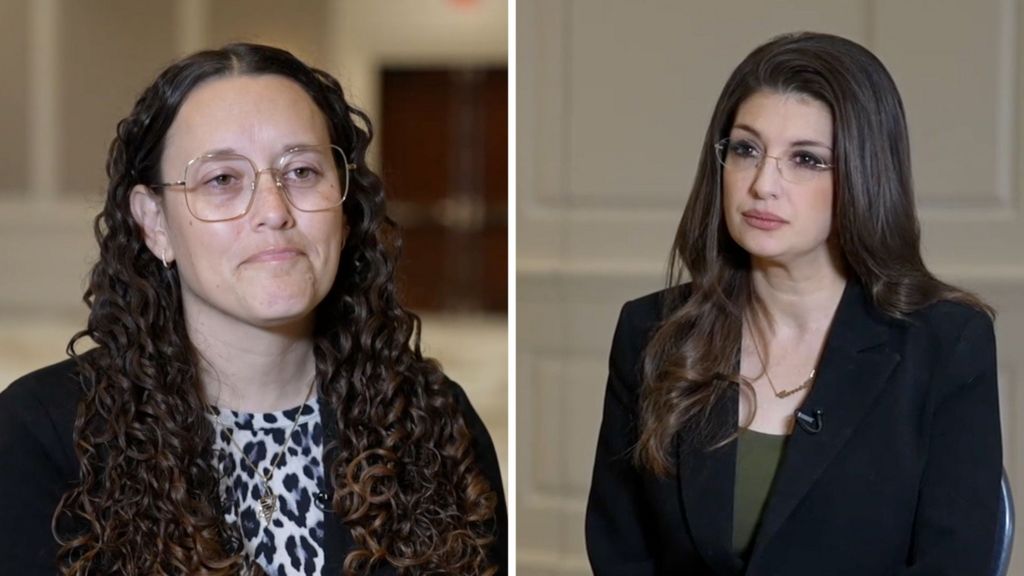
In a sobering interview with BBC correspondent Helena Humphrey, Rabbi Jennifer Lader of Temple Israel articulated the complex emotional landscape facing American Jewish communities following a recent synagogue attack. The Federal Bureau of Investigation has officially designated the incident as a deliberate act of violence specifically targeting Jewish individuals, confirming community fears about targeted religious hostility.
Rabbi Lader’s poignant statement—’We were horrified, but not surprised’—encapsulates the tragic duality of experiencing shock while simultaneously recognizing the persistent undercurrent of antisemitism that has been documented in rising hate crime statistics across the nation. This emotional response reflects what security experts describe as the ‘vigilance burden’ carried by religious minorities in contemporary America.
The attack has triggered renewed conversations about faith-based security protocols, with many synagogues reassessing their protective measures. Community leaders have emphasized the challenging balance between maintaining open worship spaces and implementing necessary security arrangements. Federal and local law enforcement agencies have increased patrols around Jewish institutions while launching investigations into potential connections to broader networks of religious intolerance.
Historical context reveals that this incident joins a disturbing pattern of increased antisemitic events recorded over the past five years, according to data from civil rights organizations. The psychological impact on congregation members includes both immediate trauma and longer-term anxiety about religious visibility and safety. Interfaith groups have mobilized solidarity demonstrations, while political leaders have condemned the attack and promised legislative action to address hate crimes.