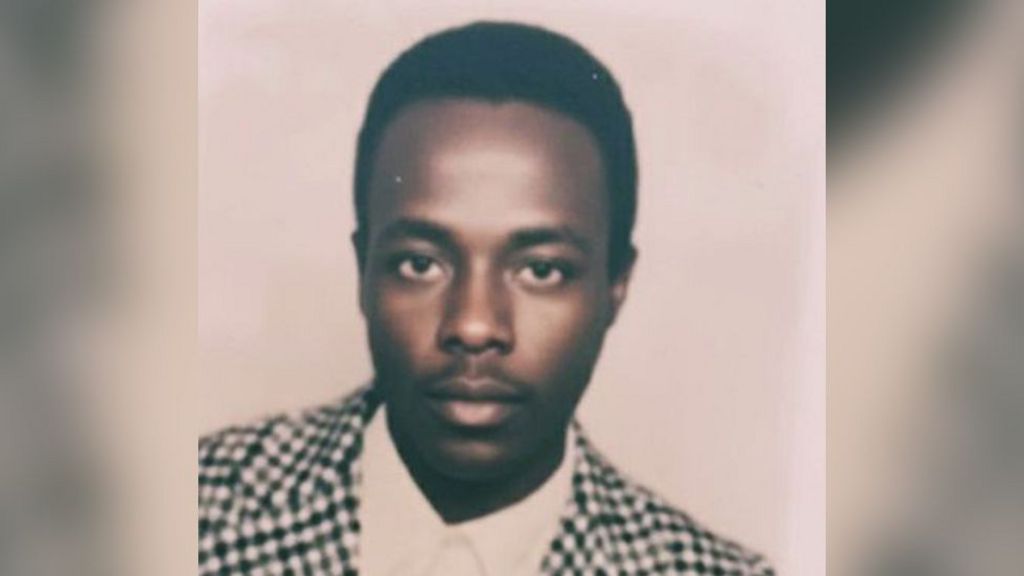
Eritrean authorities have released prominent political cartoonist Biniam Solomon after 15 years of imprisonment without formal charges or legal proceedings, according to confirmations from family members and associates. The artist, widely known by his professional pseudonym Cobra, was apprehended in Asmara in 2011 during a government crackdown on dissent.
Now in his early sixties, Solomon endured severe isolation throughout his detention, completely cut off from familial communication and receiving only intermittent medical attention. A relative disclosed that the latter segment of his imprisonment occurred within Asmara’s notoriously austere ‘crime investigation’ facility, commonly reported to house political dissidents and conscientious objectors under exceptionally harsh conditions.
Solomon’s artistic career flourished during a brief period of media liberalization following Eritrea’s independence from Ethiopia. Between 1997 and 2001, his incisive cartoons critiquing socio-political issues appeared in various private publications until the government shuttered all independent media outlets citing national security concerns. Despite losing an arm during childhood, Solomon established himself as both a respected physicist educator and prolific artist, authoring three collections of his satirical work.
His liberation coincides with a series of unexplained releases of long-term detainees, though thousands remain incarcerated without trial according to United Nations estimates. Human rights organizations have consistently documented systematic abuses within Eritrea’s penitentiary system, including inadequate nutrition, medical neglect, and extreme psychological distress – allegations consistently refuted by national authorities.
The circumstances surrounding Solomon’s release remain opaque, with no official explanation provided by Eritrean officials. International observers note that while these developments may signal potential shifts, the absence of transparent judicial processes continues to raise concerns about the country’s human rights record.