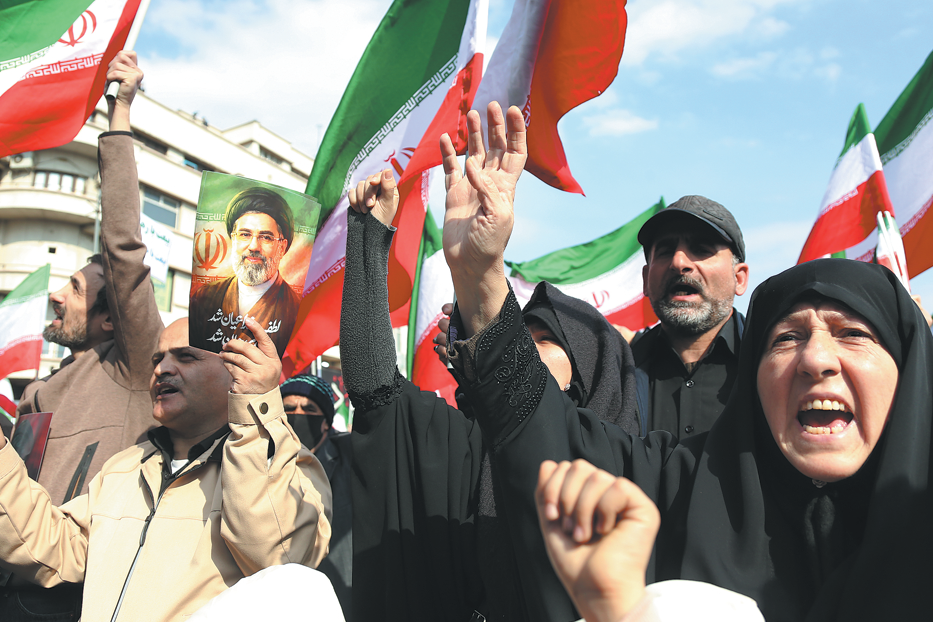
Iran has formally declared an end to diplomatic engagement with the United States following coordinated military strikes by US and Israeli forces, despite previously participating in what international observers characterized as promising negotiations. The escalation directly contradicts Washington’s assertions that hostilities would conclude swiftly, instead pointing toward a prolonged regional conflict that has already begun impacting global energy markets.
In a televised interview with PBS News, Iranian Foreign Minister Seyed Abbas Araghchi characterized the breakdown as a “very bitter experience,” noting that attacks occurred despite substantial progress during three rounds of negotiations. This perception is reinforced by analysis from Arhama Siddiqa of Pakistan’s Institute of Strategic Studies, who observes that Tehran views US diplomatic overtures as fundamentally disconnected from military actions on the ground.
The confrontation has exposed potential fractures within the US-Israeli alliance, with Siddiqa suggesting that any American attempt to de-escalate could create strategic divergence if Israel believes continued military pressure better serves its security objectives. This dynamic has significantly constricted diplomatic space amid intensifying regional tensions driven by mutual mistrust and competing agendas.
Humanitarian consequences continue to mount, with Iranian officials reporting over 1,200 fatalities including 200 children and 11 healthcare workers. The conflict’s spillover has displaced hundreds of thousands across the Middle East, with UNICEF reporting nearly 700,000 displaced in Lebanon alone. International involvement continues to evolve, with Australia announcing deployment of surveillance aircraft and missile systems to the United Arab Emirates while emphasizing purely defensive objectives.