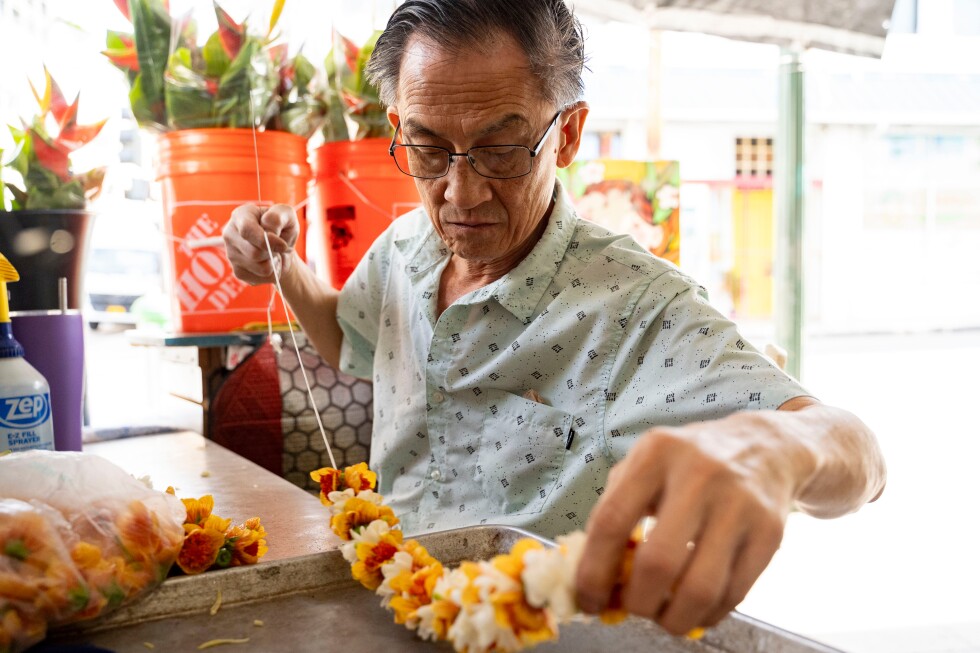
HONOLULU — A cultural paradox is unfolding in Hawaii’s iconic lei industry, where the vibrant purple orchid garlands presented to tourists are predominantly imported from Thailand rather than cultivated locally. This revelation has sparked significant legislative action and cultural concern throughout the Aloha State.
Hawaiian lawmakers are currently advocating for measures to support locally-grown lei production, including potential labeling requirements that would distinguish Hawaii-made garlands and restrictions on state agencies purchasing imported lei. The movement stems from deep cultural connections to the lei tradition, which has symbolized the spirit of ‘aloha’ and Hawaiian identity for generations.
Kuhio Lewis, CEO of the Hawaiian Council nonprofit organization, expressed cultural embarrassment about the current import dependency. ‘You don’t come to Hawaii and not at least have a flower or a lei,’ Lewis stated. ‘For us to now be importing is not good.’
The cultural significance of lei in Hawaii extends far beyond tourist souvenirs. These floral garlands represent love and connection in Hawaiian culture, used in celebrations ranging from graduations to legislative ceremonies. A unique tradition involves presenting pregnant women with open-ended strands rather than closed necklaces due to cultural beliefs about umbilical cord symbolism.
State Representative Darius Kila, who is Native Hawaiian, has been at the forefront of legislative efforts to address the issue. Although his initial bill requiring state officials to purchase a percentage of locally-grown lei failed, a related Senate bill remains active. This legislation proposes establishing a work group to study whether local flower-growers can meet rising demand and make recommendations for protecting the indigenous industry.
The Senate bill explicitly addresses concerns about cultural appropriation, noting that ‘the growing commercialization of lei and lei materials has led to increased use of imported plant materials and manufactured components that are marketed using Hawaiian language, imagery, and place names,’ potentially misleading consumers and undermining local cultural practitioners.
In Honolulu’s Chinatown, the heart of Hawaii’s lei industry, vendors like Francis Wong of Jenny’s Lei and Flowers note that locals consistently prefer fragrant local flowers such as pikake jasmine, tuberose, and puakenikeni. However, seasonal shortages and cost considerations make imported Thailand orchids a practical necessity for many businesses.
Monty Pereira, general manager of Watanabe Floral—Hawaii’s largest florist selling approximately 250,000 lei annually—expressed concern that restrictive legislation might inadvertently harm the tradition it seeks to protect. ‘The bigger threat is making it so expensive that the people of Hawaii cannot afford to enjoy something that’s culturally significant to us,’ Pereira warned, noting that popular lei already command prices up to $150 for special occasions.
The debate continues as Hawaii balances cultural preservation with economic reality, seeking solutions that honor tradition while maintaining accessibility to this cherished cultural practice.