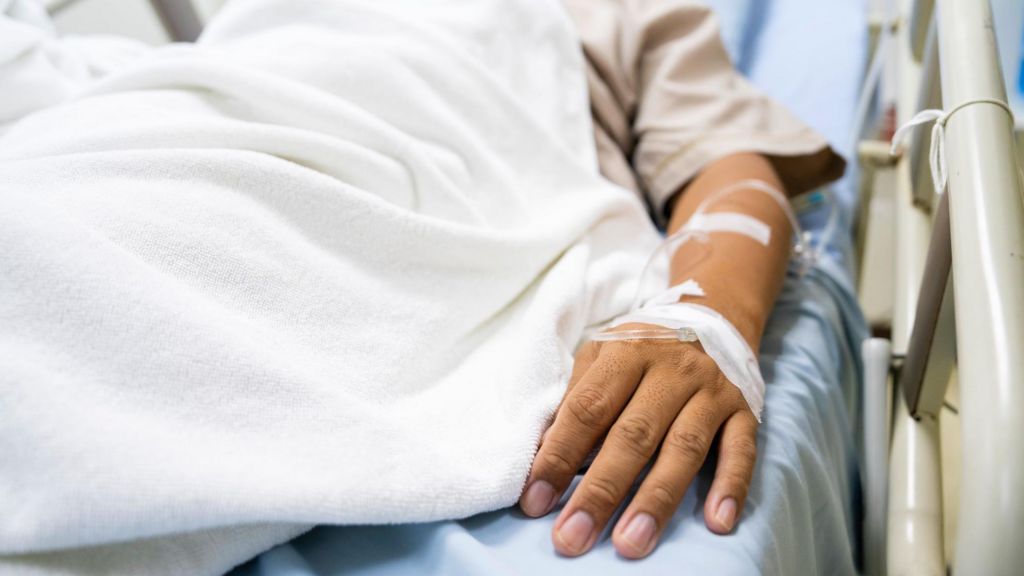
In a historic judicial decision, India’s Supreme Court has authorized the withdrawal of life-sustaining treatment for Harish Rana, a 31-year-old man who has remained in a persistent vegetative state since a tragic 2013 accident. This ruling establishes the first court-sanctioned implementation of passive euthanasia since its legalization in 2018, marking a significant evolution in India’s approach to end-of-life care.
Rana, formerly an engineering student at Punjab University, sustained catastrophic head injuries after falling from a fourth-floor balcony, resulting in permanent brain damage and complete dependency on medical interventions. For over a decade, he has been maintained through tracheostomy breathing assistance and gastrostomy feeding tubes, exhibiting no meaningful cognitive function or ability to interact with his environment.
The legal journey began when Rana’s parents, having exhausted their financial resources and facing concerns about their son’s future care, petitioned multiple courts seeking permission to cease artificial life support. Their initial plea was rejected by the Delhi High Court in 2024, which noted Rana wasn’t dependent on external support systems. However, subsequent deterioration in his condition prompted a renewed Supreme Court application in 2025.
Critical to the verdict was the assessment by two independent medical boards, which unanimously concluded that Rana had negligible recovery prospects and suffered from extensive bed sores alongside his profound neurological impairment. The court’s decision enables medical professionals to exercise clinical judgment regarding treatment withdrawal in accordance with India’s legal framework for passive euthanasia.
This case has ignited substantial ethical debate within India’s medical and legal communities, particularly regarding the application of passive euthanasia principles when patients cannot provide direct consent through living wills. The ruling establishes an important precedent for future cases involving terminally ill patients without advance directives, balancing compassionate care with rigorous judicial oversight.