The strategic Strait of Hormuz became a focal point of escalating Middle East tensions as Iran and Israel engaged in renewed hostilities early Wednesday. Iranian forces reportedly struck a commercial vessel transiting the critical waterway, igniting significant fires and forcing crew evacuation. This attack represents the latest in a series of Iranian actions effectively disrupting cargo traffic through the strait, which facilitates approximately 20% of global oil shipments from the Persian Gulf to international markets.
Regional defense systems were activated across the Gulf as Kuwaiti forces intercepted eight Iranian drones while Saudi Arabia neutralized five drones targeting its Shaybah oil field. Saudi defense systems additionally destroyed six ballistic missiles launched toward Prince Sultan Air Base, a crucial joint U.S.-Saudi military installation. The United Arab Emirates reported its air defenses actively engaged incoming Iranian projectiles, with officials confirming six fatalities and 122 injuries from sustained attacks.
The international community moved toward diplomatic action with the U.N. Security Council preparing to vote on a Gulf Cooperation Council-sponsored resolution demanding Iran cease attacks against Arab neighbors. The draft resolution specifically condemns Iranian aggression against Bahrain, Kuwait, Oman, Qatar, Saudi Arabia, the United Arab Emirates, and Jordan.
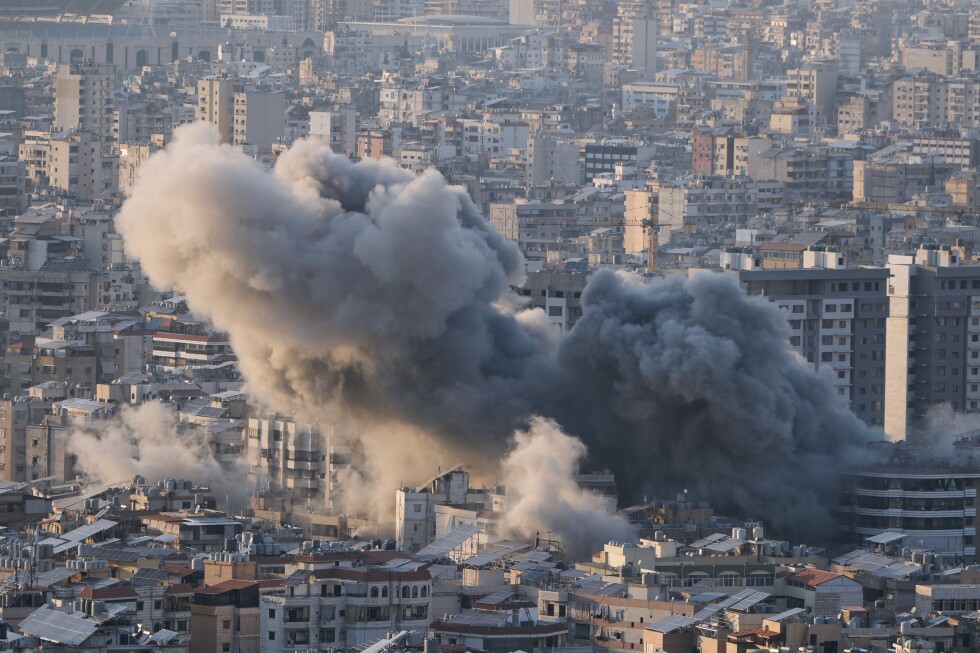
Concurrently, Israel launched renewed strikes against Tehran and Hezbollah-linked targets in Lebanon, where nearly 500 people have died since hostilities began. Israeli attacks in Beirut’s densely populated Aicha Bakkar district ignited multistory buildings, while strikes in southern Lebanon resulted in multiple casualties including emergency responders.
The economic ramifications continued to intensify as Brent crude prices maintained a 20% increase since conflict initiation. Saudi Aramco CEO Amin Nasser warned that prolonged disruption to Strait of Hormuz shipping would seriously impact the global economy, reflecting growing concerns about potential long-term energy market instability.