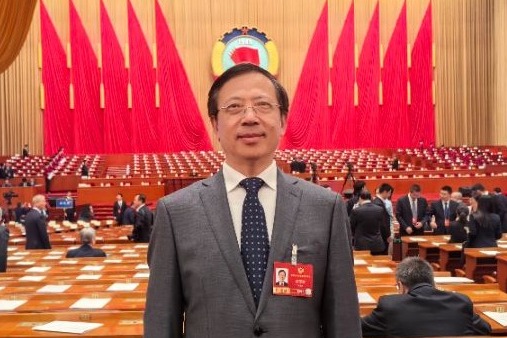
A prominent Chinese political adviser has called for comprehensive reforms to strengthen the cultivation of elite engineering talent, highlighting critical gaps between academic training and industrial requirements. Xin Sijin, Chairman of the University Council at Wuhan University of Technology and a national political adviser, presented a detailed proposal during the ongoing political advisory session emphasizing the urgent need for deeper industry-education integration.
Xin identified several systemic challenges currently hindering the development of top-tier engineers, including insufficient collaborative training bases, limited access to real-world engineering practice opportunities, and inadequate industry participation in educational programs. Despite initiatives launched since 2010 to enhance practical training through specialized undergraduate disciplines for elite engineers, significant obstacles remain in achieving genuine industry immersion.
The adviser specifically advocated for stronger partnerships between universities and leading enterprises, urging corporations to open their research and development environments to students. “We should regularly publish lists of actual engineering challenges and encourage academic teams to address these practical issues,” Xin stated, emphasizing that this approach would significantly enhance students’ problem-solving capabilities.
Xin also highlighted the transformative potential of digital tools in bridging practical training gaps and called for improved management and quality monitoring of joint training programs. “Strengthening the ability to solve complex engineering problems through alternating work and study cycles is absolutely essential,” he added.
Noting that few engineering postgraduates currently experience long-term integration within corporate research environments, Xin proposed national-level incentives to encourage more active enterprise participation. He framed talent cultivation as a societal responsibility rather than merely an academic task, stating that “training engineers impacts the future development of our entire nation.”
Wuhan University of Technology has already implemented innovative collaboration models with industries spanning construction, automotive, and transportation sectors. Through joint R&D centers, students conduct primary research and select thesis topics directly from industrial applications, providing valuable practical experience that bridges theoretical knowledge with real-world challenges.