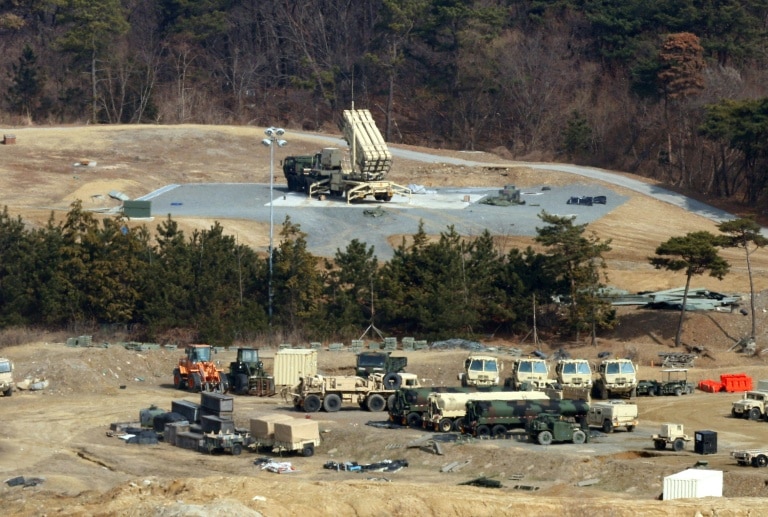
South Korean defense officials have declared their nation’s military readiness remains uncompromised despite reports of potential redeployment of US missile defense assets to the Middle East. The statement from Seoul’s Ministry of Defense comes amid speculation that components of the Terminal High Altitude Area Defense (THAAD) system might be transferred from the Korean Peninsula to address escalating tensions in the Persian Gulf region.
Citing anonymous sources, The Washington Post recently indicated that the United States military command was considering relocating elements of its advanced anti-missile infrastructure from South Korea to strengthen Middle Eastern defenses. The THAAD system, operational in South Korea since 2017, represents a critical component of the regional security architecture designed to counter ballistic missile threats from North Korea.
Defense Ministry representatives emphasized that South Korea’s independent military capabilities, combined with the existing US force presence of approximately 28,500 troops, ensure continuous deterrence against potential northern aggression. The ministry’s official communication stated that regardless of specific asset deployments, the nation’s defensive posture remains robust and fully operational.
The possible redeployment has generated complex diplomatic considerations. While President Lee Jae Myung’s administration expressed formal opposition to the potential movement of defense systems, officials simultaneously acknowledged limited influence over ultimate US decision-making regarding military asset allocation. This delicate balance reflects the intricate nature of the US-South Korea security partnership.
Photographic evidence published by Yonhap news agency appeared to show dismantling activities at the THAAD installation in Seongju County, approximately 220 kilometers south of Seoul. Presidential officials cautioned against speculative reporting on sensitive military matters, emphasizing the importance of maintaining strategic relationships with Middle Eastern partners while protecting national security interests.
The THAAD system’s technological sophistication enables it to intercept short, medium, and intermediate-range ballistic missiles through hit-to-kill technology. Its original deployment in 2017 provoked significant diplomatic friction with China, which viewed the advanced system as a regional security threat, demonstrating the complex geopolitical implications of missile defense positioning.