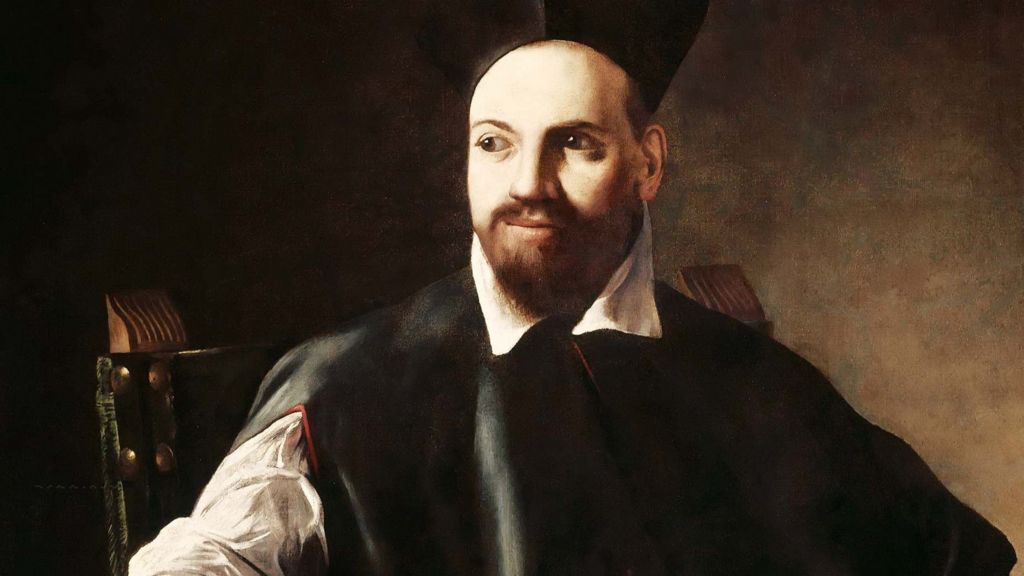
In a significant cultural preservation move, the Italian government has acquired a rare portrait by Baroque master Caravaggio for €30 million (£25.9 million), marking one of the most substantial public art purchases in the nation’s history. The artwork, depicting Monsignor Maffeo Barberini who later ascended to papacy as Pope Urban VIII, represents an extraordinary addition to Italy’s national collection.
Culture Minister Alessandro Giuli characterized the acquisition as being of ‘exceptional importance’ within a strategic initiative to safeguard Italy’s artistic legacy from private ownership. The painting, created approximately in 1598, captures Barberini as a bearded cleric gesturing authoritatively with his right hand—a testament to Caravaggio’s mastery of psychological depth through portraiture.
Previously housed in a private Florentine collection, the artwork made its public debut in Rome during 2024. It has now been permanently transferred to the Palazzo Barberini, the historical Roman residence of the subject’s family, where it will join other works by the renowned artist. This placement ensures public and scholarly access to a piece that might otherwise have remained hidden in private hands.
Caravaggio (1571-1610), born Michelangelo Merisi, remains celebrated for his revolutionary chiaroscuro technique—the dramatic interplay of light and shadow that infused his compositions with visceral realism. Of his approximately 65 surviving works globally, only three are confirmed portraits, making this acquisition particularly significant for art historical studies.
The purchase forms part of the Ministry of Culture’s broader campaign to strengthen Italy’s cultural heritage through strategic acquisitions. Minister Giuli emphasized the ongoing commitment to ‘make art history masterpieces accessible to scholars and enthusiasts’ that would typically enter private markets, acknowledging the collaborative efforts of cultural institutions and technical experts in facilitating this achievement.
Barberini, who served as pope from 1623 until his death in 1644, was himself a notable arts patron during his papacy, adding historical resonance to the government’s acquisition of his portrait by one of art history’s most influential figures.