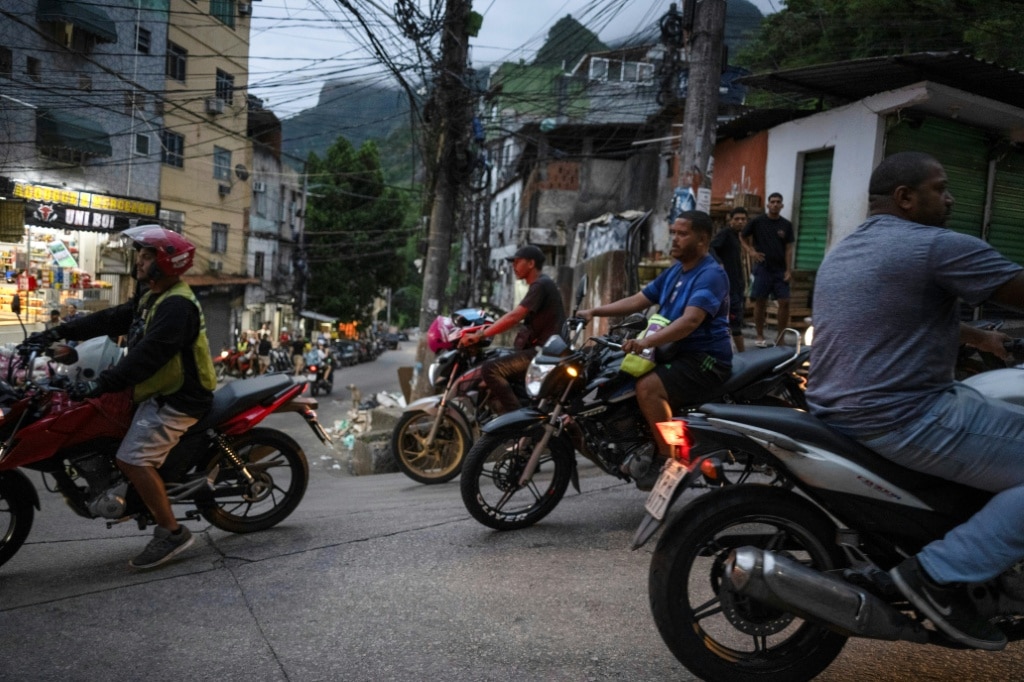
A viral drone video showcasing panoramic views of Rio de Janeiro’s Rocinha favela has ignited intense social media debate, coinciding with the city’s record-breaking tourism surge. The footage captures tourists primping and posing on a rooftop dubbed ‘Porta do Ceu’ (Gate of Heaven), set to an infectious rhythm that has garnered millions of views. While proponents argue it showcases community resilience, critics condemn it as poverty tourism that glamorizes structural inequalities.
The video’s popularity has transformed this hillside community into an unexpected influencer hotspot, attracting international visitors and even marriage proposals. Access to the iconic rooftop requires guided tours through Rocinha’s labyrinthine alleyways, costing approximately $30 per drone selfie with wait times exceeding two hours. Brazilian influencer Ingrid Ohara, with over 32 million combined followers, defended her participation: ‘This showcases our culture and country to the world.’
Behind the spectacle lies a carefully engineered safety system. Local entrepreneur Renan Monteiro developed monitored tourist routes and a real-time tracking app after past tragedies, including the 2017 fatal shooting of a Spanish tourist during police operations. His company trains local guides and drone pilots, while compensating residents for rooftop access. ‘We’re combating prejudice, not romanticizing poverty,’ Monteiro insists, noting the initiative has created 300 local guiding jobs.
The debate reflects deeper tensions about representation and economic opportunity. While cleaner Claudiane Pereira dos Santos welcomes the tourist ‘frenzy’ that challenges negative stereotypes, researchers like Cecilia Olliveira of the Fogo Cruzado Institute warn against reducing complex communities to ‘exotic backdrops for impactful content.’ As Rio welcomes unprecedented visitor numbers—290,000 international tourists in January alone—the drone footage continues fueling discussions about ethical tourism in marginalized communities.