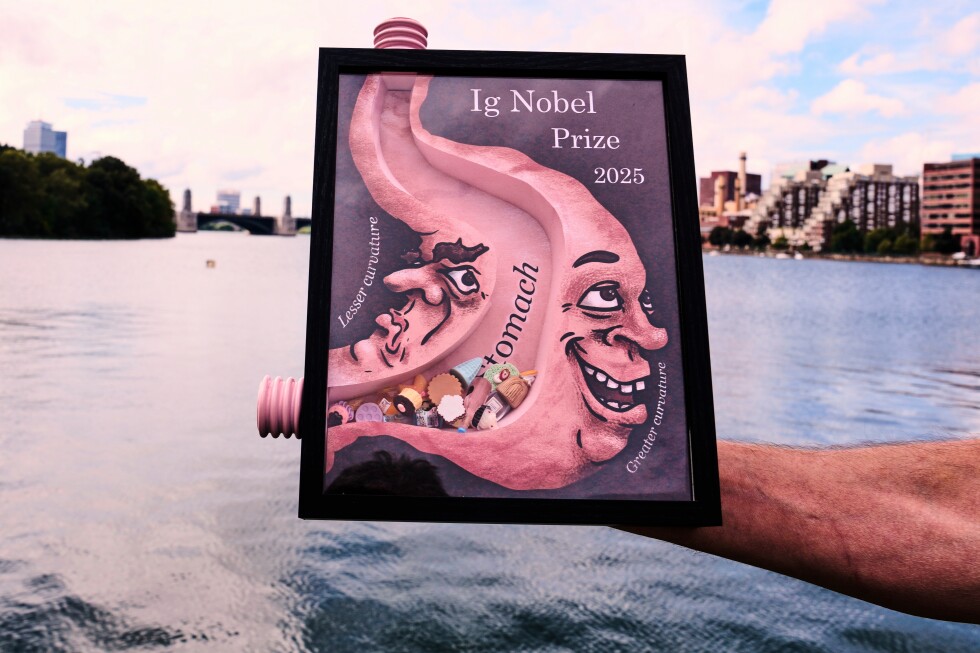
In an unprecedented move reflecting global immigration tensions, the iconic Ig Nobel Prize ceremony is abandoning its traditional American venue for European shores. Organizers of the satirical science awards announced Monday that the 36th annual event will transition from its customary September slot in the United States to Zurich, Switzerland—marking the first continental shift in the ceremony’s history.
The Annals of Improbable Research, the digital publication behind these awards honoring research that “first makes people laugh, then think,” cited mounting concerns about visa accessibility for international attendees. Ceremony host and magazine editor Marc Abrahams revealed to The Associated Press that the decision stemmed from safety considerations for participants. “During the past year, it has become unsafe for our guests to visit the country,” Abrahams stated via email. “We cannot in good conscience ask the new winners, or the international journalists who cover the event, to travel to the USA this year.”
This relocation occurs against the backdrop of the Trump administration’s intensified immigration enforcement, which has targeted both undocumented migrants and holders of student and exchange visitor visas. For 35 years, recipients have journeyed to American institutions including Harvard University, MIT, and Boston University to accept their honors amidst the tradition of paper airplane showers.
The Zurich edition will be produced collaboratively with the ETH Domain (Swiss Federal Institute of Technology) and the University of Zurich. Abrahams praised Switzerland’s history of nurturing “unexpected good things,” citing Albert Einstein’s physics, the global economy, and even the cuckoo clock. The ceremony will alternate between Zurich and other European cities biennially, with no current plans to return to American venues.
Past honorees have included researchers studying zebra-striped cattle as fly deterrents, pizza preferences of lizards, alcohol’s effect on foreign language acquisition, and decades-long fingernail growth studies. Notably, four of last year’s ten winners declined to attend the Boston ceremony, signaling growing travel concerns.
Epidemiologist Milo Puhan, University of Zurich researcher and 2017 Ig Nobel laureate for demonstrating didgeridoo playing’s benefits against snoring and sleep apnea, welcomed the move. “The Ig Nobel Prize makes research visible, and does so with a wink,” Puhan remarked, highlighting the ceremony’s unique blend of humor and scientific recognition.