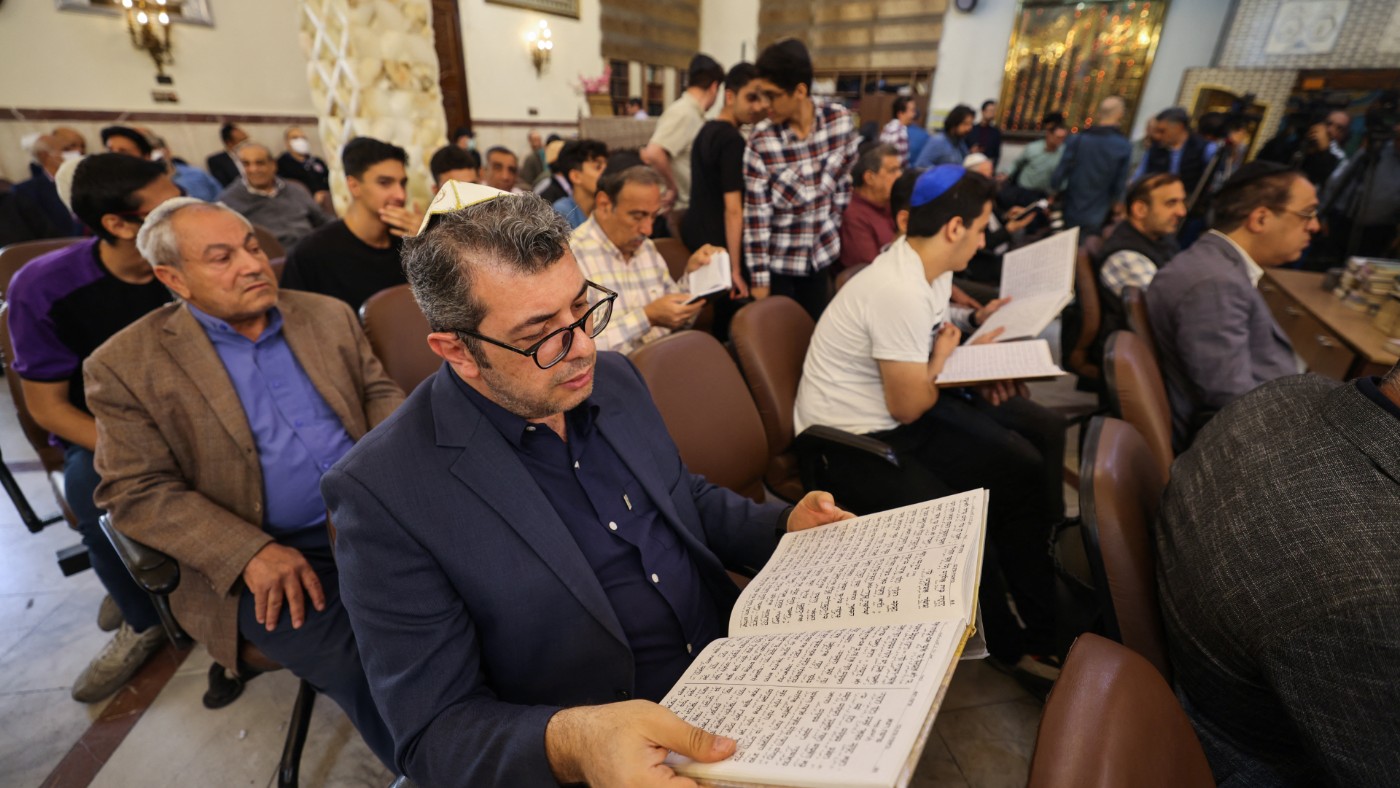
Amidst escalating tensions between Iran and Israel, the nation’s dwindling Jewish population finds itself caught in a complex web of identity, politics, and survival. With fewer than 10,000 Jews remaining in the country of 90 million, community members express diverse perspectives on the conflict while navigating daily security concerns.
Yosef, an Iranian Jewish historian, draws a sharp distinction between his religious identity and political Zionism. “Zionism has damaged Israel’s reputation globally,” he asserts, noting the absence of influential left-wing movements in contemporary Israeli politics. Like many in his community, Yosef shelters from aerial strikes originating from Israel—a nation he’s expected to feel affinity toward but criticizes for its role in regional destabilization.
The ongoing warfare presents profound personal dilemmas for Iranian Jews who watch conflicts between their homeland and the Jewish state. Sara, a 46-year-old businesswoman from Shiraz, directs her anger toward Israeli Prime Minister Benjamin Netanyahu, whom she describes as a “charlatan” using military escalation to divert attention from domestic corruption charges. Despite her Jewish faith, she maintains: “I cannot see the country where I was born and raised as my enemy.”
Historical context reveals a dramatic demographic shift: Iran’s Jewish population has declined from approximately 70,000-100,000 before the 1979 Islamic Revolution to just over 9,000 according to the 2016 census. This transformation occurred alongside the severing of diplomatic relations between Tehran and Jerusalem.
Daniel, a 52-year-old Tehran jeweler, expresses dual sorrow witnessing missiles strike Israeli cities while Israeli and American warplanes fly over his own home. “The explosions keep us awake at night,” he confesses, reflecting the anxiety many feel about speaking openly during wartime.
Contrary to expectations, some community members report improved attitudes toward Jews within Iran. Arash, a 71-year-old restaurant owner, observes: “The level of anger toward the Islamic Republic is so high that many Iranians today see Jews as friends.” However, he quickly affirms his primary identity as Iranian and laments governmental policies that have brought the country to its current situation.
As the conflict enters its second week with strikes targeting Tehran’s oil infrastructure, the community’s deepest fear extends beyond immediate violence to concerns about Iran’s future. Yosef articulates this apprehension: “What I fear most is that the final result of this war will destroy the country I love,” capturing the profound tension between national loyalty and religious identity that defines the experience of Iran’s Jewish minority.