PARIS — The autumn-winter 2024 season at Paris Fashion Week transcended its traditional celebrity spectacle to deliver a profound industry reset. While front rows featured Oprah Winfrey, Rooney Mara, and Diane Kruger, the collections themselves addressed a pressing contemporary question: How does one dress for a world characterized by darkness, instability, and constant exposure?
Three distinct aesthetic movements emerged across major houses, signaling a collective departure from pandemic-era comfort dressing toward more protective and intentional fashion statements.
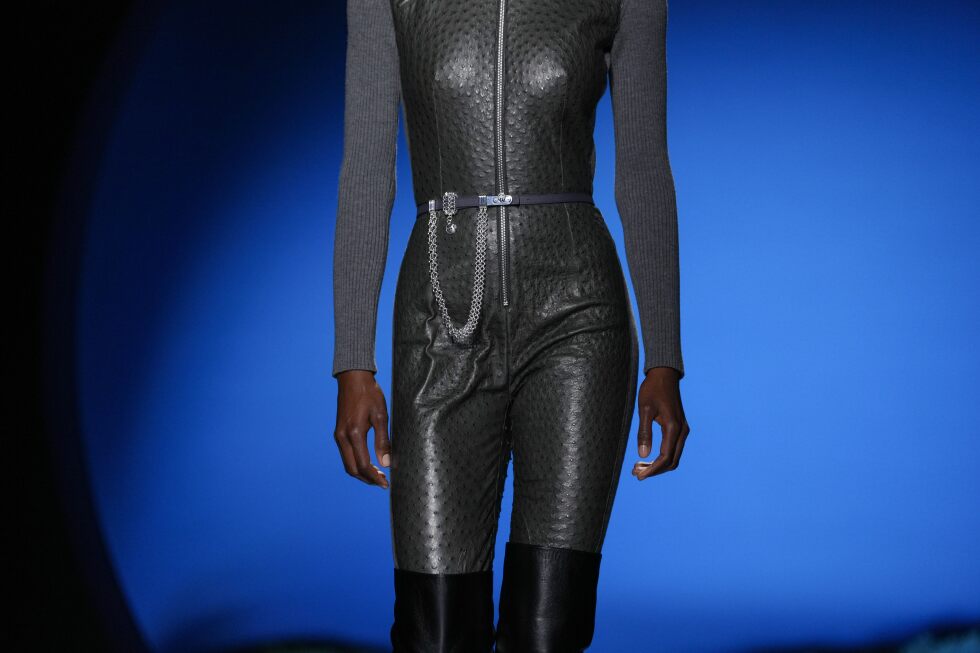
The dominant trend featured what critics are calling ‘armor for anxious times.’ At Balenciaga, Creative Director Pierpaolo Piccioli collaborated with ‘Euphoria’ creator Sam Levinson to present a collection exploring darkness and light. This manifested in guarded silhouettes: balloon bombers, cocoon backs, and portrait collars that physically framed models’ faces. Similarly, Sarah Burton’s third Givenchy collection presented multiple visions of strength through exact tailoring, strong coats, and peplum hips, while maintaining connection to real-life contexts. Most radically, Junya Watanabe transformed motorcycle gear and emergency blankets into couture-like forms, and McQueen’s Seán McGirr explored paranoia through slashed leather trousers and chainmail textures that simultaneously suggested exposure and defense.
The second significant shift occurred in silhouette. After years of oversized dominance, Paris runways embraced sharper, more body-conscious lines. Celine’s Michael Rider led this transition with coats and suits sitting closer to the torso, cropped flare trousers, and crisp narrow overcoats for menswear. This new sharpness wasn’t restrictive but character-driven—classic clothes reimagined with stranger proportions and more exact lines. The trend appeared across other houses: Burton relaxed her previously strict hourglass shapes at Givenchy without abandoning structure, while McQueen’s low-rise minis and neat boots continued the body-aware direction.
The third trend redefined luxury glamour by embracing imperfection. Designers consciously incorporated friction and raw emotion into their presentations. Andreas Kronthaler at Vivienne Westwood staged a simultaneous exploration of grief, eroticism, and disorder through rough seams, smudged lipstick, and unfinished bridal looks. This appetite for authenticity permeated the week: Rider hinted at complex inner lives beneath beautiful surfaces, Piccioli maintained darkness through strategic shadow, and Burton populated Givenchy with distinct female characters rather than a singular ideal.
Collectively, these movements indicate fashion’s pivot from escapism toward resilience. The most compelling collections didn’t attempt to make the world disappear but rather to equip women with sartorial armor for navigating contemporary realities.