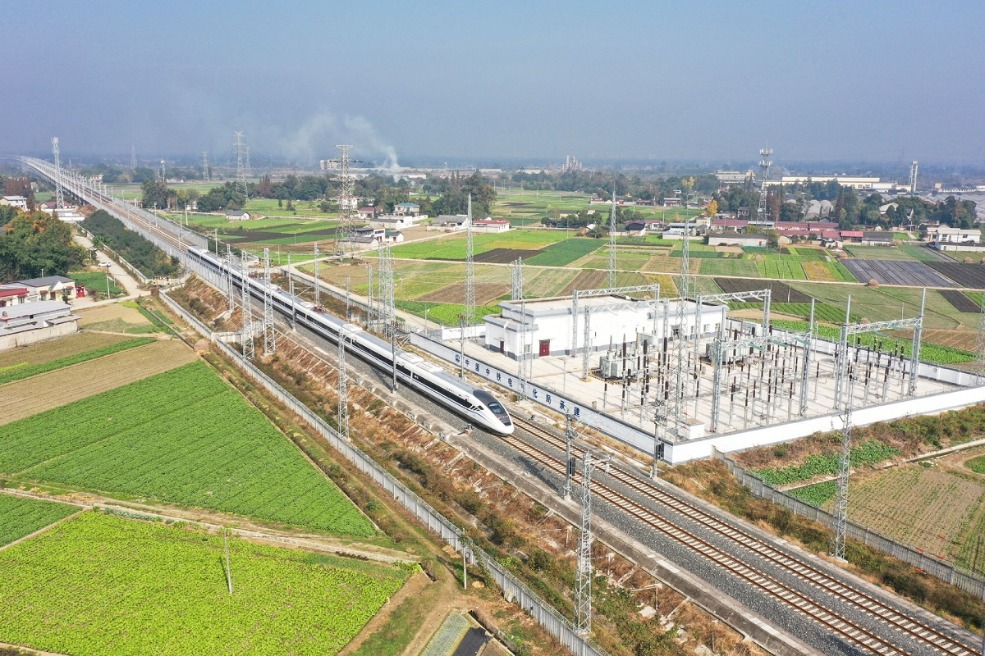
China is poised to revolutionize its national transportation infrastructure through an ambitious modernization strategy during the 15th Five-Year Plan period (2026-2030). Transport Minister Liu Wei announced the comprehensive initiative during the National People’s Congress session in Beijing, outlining a multi-faceted approach to create an integrated, intelligent, and environmentally sustainable transport ecosystem.
The blueprint prioritizes four critical development areas: systemic integration, enhanced safety protocols, comprehensive digital transformation, and accelerated green transition. Minister Liu revealed that China’s national comprehensive three-dimensional transport network has already achieved over 90% completion during the previous five-year cycle, with targets set to reach 95% completion by 2030.
China’s transportation scale demonstrates the system’s critical importance to national economic activity and daily life. Current metrics show approximately 30 million passenger vehicles utilizing expressways daily, alongside 10 million high-speed rail passengers and 2 million air travelers. Urban mobility records indicate 100 million daily metro journeys, with equivalent volumes using public buses and taxi/ride-hailing services. The logistics sector handles an impressive 550 million parcels collected daily across the nation.
The modernization plan addresses critical vulnerabilities, including more than 120,000 kilometers of roads damaged annually by flooding. Infrastructure resilience projects will focus on reinforcing highways and bridges while implementing advanced digital monitoring systems. Artificial intelligence integration will expand significantly for automated highway inspections, with parallel developments in smart highway networks, automated ports, and intelligent shipping solutions.
Environmental considerations form a cornerstone of the strategy, with transportation currently accounting for approximately 10% of national carbon emissions. The ministry will pioneer zero-carbon transport corridors and hubs while accelerating the adoption of new-energy vehicles, vessels, and clean transport equipment. Regional integration will receive renewed emphasis through improved intercity commuting networks and multimodal logistics systems designed to enhance transfer efficiency.
Service enhancements for 2026 include optimized holiday travel support mechanisms, streamlined passenger transfer experiences, modernized expressway service areas, and improved facilities catering to elderly travelers and commercial truck drivers.