In the wake of escalating Middle East tensions following US and Israeli strikes on Iran, civilians across Israel and annexed East Jerusalem are developing innovative coping mechanisms amid persistent rocket threats. The conflict has triggered waves of Iranian retaliatory fire, creating unprecedented challenges for daily life that have spawned both technological solutions and grim humor.
A newly launched application has gained viral popularity by employing statistical analysis of recent air raid patterns to advise users on optimal shower times, minimizing interruptions from missile alerts. This practical innovation addresses a widespread concern, exemplified by an Israeli citizen’s social media post questioning the normality of being “naked in the dining room” during shelter mandates.
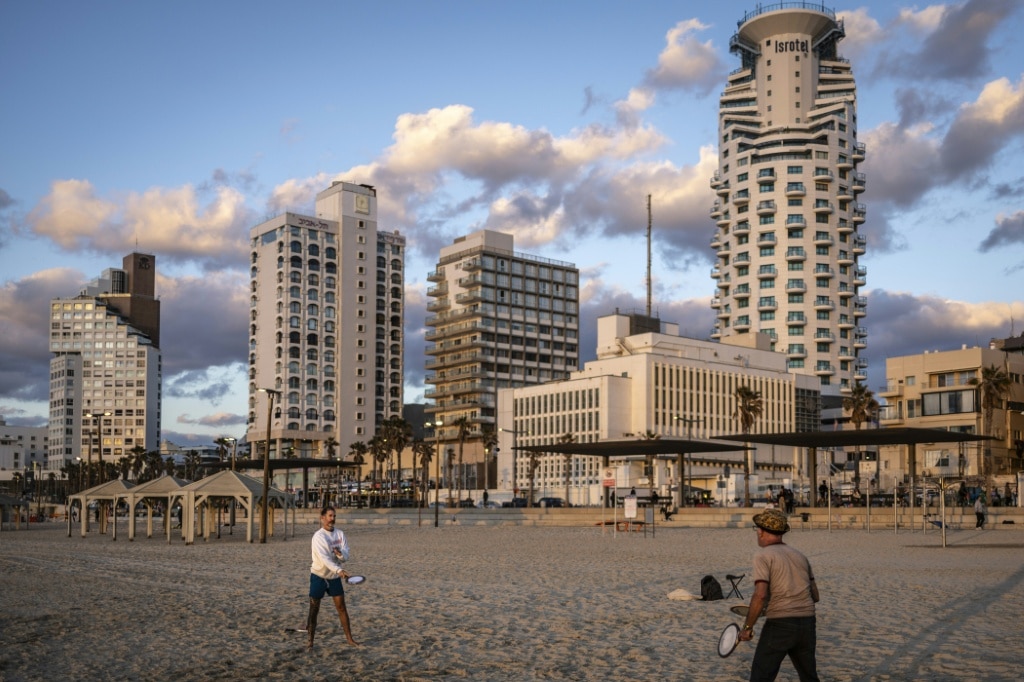
Beyond personal hygiene optimization, publications like Time Out have pivoted from leisure recommendations to survival guidance, now cataloging Tel Aviv beaches based on their proximity to certified shelters. Simultaneously, journalist Ofek Tzach has initiated qualitative rankings of public shelters, critiquing facilities ranging from those overcrowded with tourists to others plagued by barking dogs.
Remarkable human stories have emerged amidst the crisis, including that of Lior and Michael, who transformed a shopping center parking garage into their wedding venue four levels underground after security restrictions canceled their original plans. “It was a wonderful moment,” Michael recounted to Israel’s Channel 13, despite seventy percent of attendees being strangers.
Online communities are sharing recommendations for making shelter time more bearable, suggesting books, music, and cushions—contrasting with official government advice emphasizing practical supplies like radios, batteries, and identification documents.
In East Jerusalem, Palestinian responses have leaned toward dark humor amid inadequate shelter infrastructure. Pastry chef Mohammad Alayan noted on social media that Palestinians often take traditional Ramadan desserts to rooftops to watch missiles, while others mockingly questioned municipal guidance that offers little practical value for residents of areas like Shuafat refugee camp, where proper shelters are virtually nonexistent.