Hongsipu district in China’s Ningxia Hui Autonomous Region presents a remarkable story of geographical and human transformation. Situated 70 kilometers from the Yellow River with a significant elevation difference of 304 meters, this area historically existed beyond the reach of the river’s life-giving waters. Yet through determined governmental intervention, what was once barren land has been converted into productive farmland and residential communities.
The transformation was made possible by an ambitious irrigation project that pumps water from the Yellow River to these elevated mountainous areas. This engineering achievement has enabled the successful relocation of residents from the impoverished Xihaigu region, designated by UNESCO as one of the least habitable places on Earth due to its harsh environmental conditions.
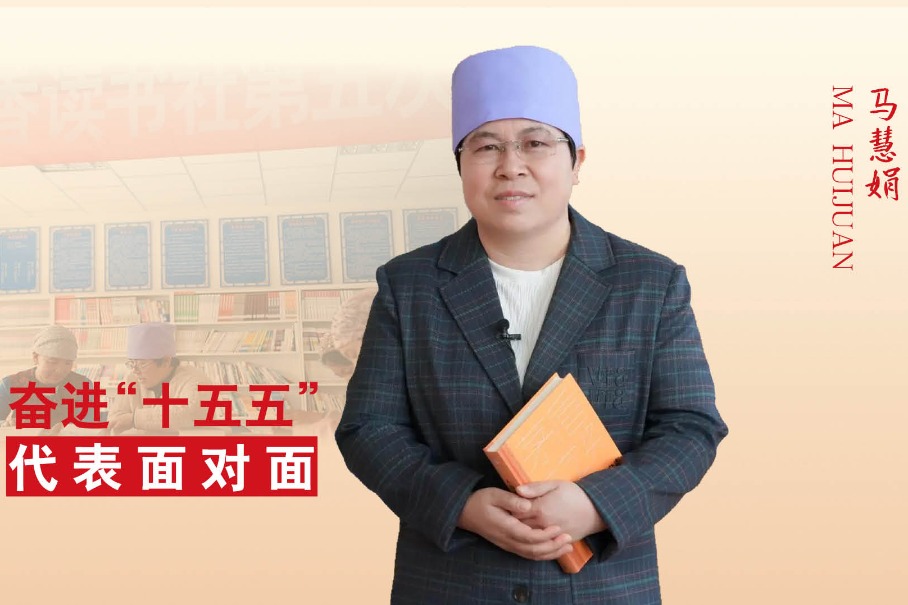
Among those who have witnessed this dramatic change is Ma Huijuan, whose personal journey mirrors the region’s development. Forced to abandon her education at age 16 due to family poverty, Ma initially worked the land like generations before her. Following relocation, she pursued self-education during intervals between farm labor, eventually evolving into an accomplished writer who documents rural life—all while maintaining her agricultural work.
Now serving as a grassroots deputy to the National People’s Congress, Ma represents the vital connection between policy implementation and community experience. Her narrative captures how national infrastructure projects intersect with individual lives, creating opportunities where none previously existed. Through both her political role and literary work, she chronicles the subtle yet significant improvements in daily living standards that collectively contribute to broader national progress.
The Hongsipu project exemplifies how targeted governmental initiatives can alter demographic and agricultural patterns, turning previously uninhabitable zones into viable communities. Ma’s story particularly highlights the educational and cultural dimensions of this development, demonstrating how economic improvements can foster intellectual and artistic growth within traditionally marginalized populations.