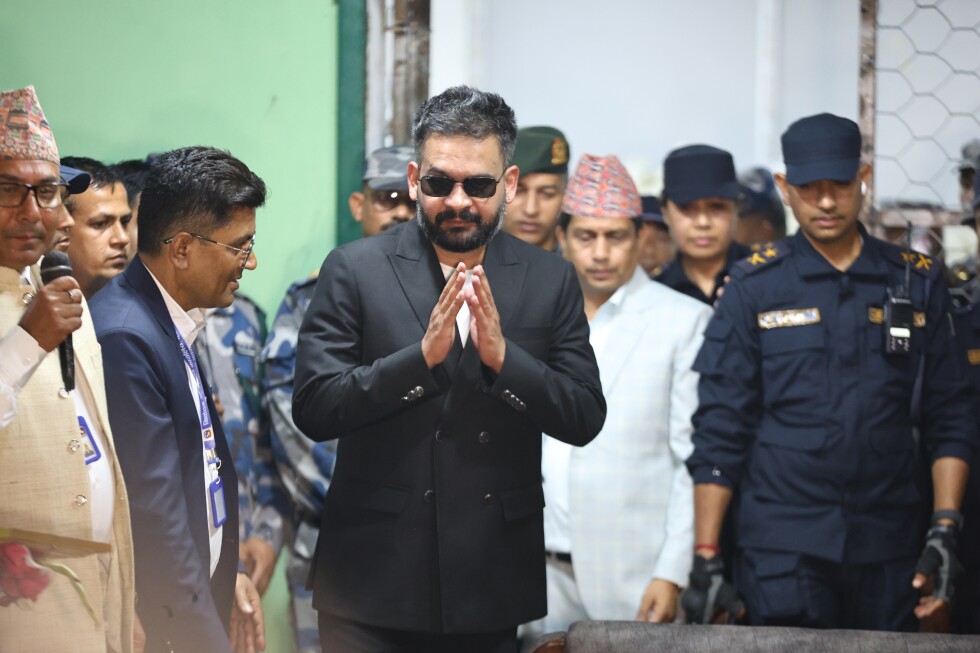
KATHMANDU, Nepal — Nepal’s political landscape has undergone a seismic transformation as the Rastriya Swatantra Party (RSP), led by former rapper Balendra Shah, achieved a decisive victory in the nation’s first parliamentary elections since youth-led protests toppled the established government. The Election Commission’s Sunday results revealed the nascent political movement had secured 103 of 165 directly elected parliamentary seats while leading in 21 additional constituencies.
The remarkable electoral performance represents a dramatic repudiation of Nepal’s traditional political dynasties that have dominated governance for decades. The Nepali Congress and Communist Party of Nepal (Unified Marxist–Leninist), which have alternated power through successive administrations, were comprehensively defeated by the four-year-old reformist party.
Balendra Shah, the charismatic rapper-turned-politician who previously won Kathmandu’s mayoral race in 2022, emerged as the central figure during the 2025 popular uprising that unseated former Prime Minister Khadga Prasad Oli. Shah is now positioned to become Nepal’s next prime minister as his party demonstrates overwhelming electoral support.
Beyond the directly elected seats, the RSP also commands approximately 51% of the proportional representation votes that will determine the allocation of 110 additional parliamentary seats. This dual dominance virtually ensures the party will comfortably exceed the 138-seat threshold required to form a government in the 275-member House of Representatives.
National newspapers heralded the political upheaval as historic, with The Himalayan Times declaring “RSP set for a landslide victory” and Annapurna Post describing the outcome as a “People’s ballot revolt; shift in political paradigm.”
Despite the euphoria among supporters, who have celebrated with traditional flower garlands and vermilion powder ceremonies, party officials have called for restrained celebrations in remembrance of those killed during last year’s protests. The youth-led movement began as opposition to social media restrictions before escalating into widespread demonstrations against systemic corruption and governance failures that resulted in dozens of fatalities when security forces clashed with protesters.
The electoral system permits voters two ballots: one for constituency representatives and another for party preference. The RSP’s commanding performance across both voting mechanisms signals a fundamental realignment in Nepali politics toward reform and accountability.