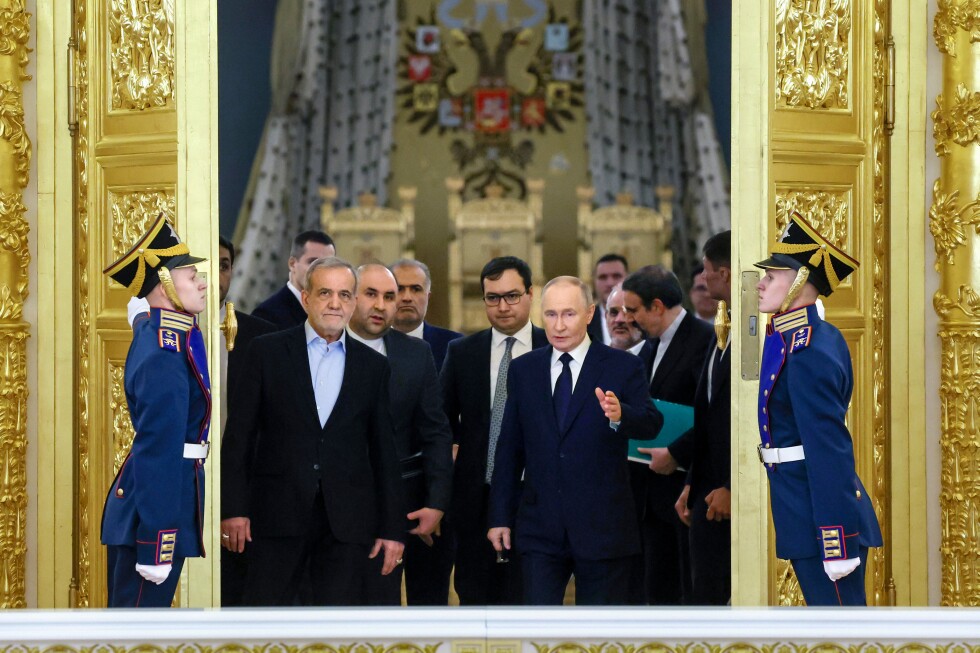
As military strikes target Iranian infrastructure, Moscow has responded with diplomatic condemnation rather than material support for its Middle Eastern partner. This strategic restraint reflects President Vladimir Putin’s primary focus on the Ukrainian theater and his calculation that the Iran conflict could yield significant advantages for Russia’s geopolitical and economic interests.
Russia stands to benefit substantially from energy market disruptions caused by the conflict. With tanker traffic through the Strait of Hormuz compromised and Gulf energy facilities damaged, rising oil prices generate increased revenue for Moscow. These financial gains help fund military operations in Ukraine and address budget shortfalls.
The Kremlin anticipates that prolonged Middle Eastern hostilities will divert global attention from Ukraine, deplete Western weapons stockpiles, and potentially reduce NATO military support for Kyiv. Despite signing a comprehensive strategic partnership with Tehran in January 2025, Russia maintains complex relationships throughout the region, including with Gulf states and Israel.
President Putin conveyed condolences to Iranian President Masoud Pezeshkian, condemning the killing of Supreme Leader Ayatollah Ali Khamenei as a violation of international law. However, Kremlin officials clarified that their partnership agreement does not obligate military assistance. When questioned about potential weapons transfers, spokesman Dmitry Peskov stated Moscow has received no formal requests from Tehran.
Regional experts note that Russia has positioned itself as an effective mediator in the Middle East. Many regional powers may increasingly look to Moscow as tensions escalate. While Russia provided Iran with intelligence that could potentially target American assets, U.S. intelligence sources caution there’s no evidence Moscow is directing Tehran’s operations.
Analysts suggest that despite surface appearances, Russia’s relationship with Iran remains fundamentally pragmatic rather than ideological. Some observers argue that a weakened Iran might actually become a more compliant partner for Moscow’s regional ambitions. The conflict may also strengthen Russia’s energy export position as China increases crude purchases and Turkey potentially boosts gas imports from Russia if Iranian supplies are disrupted.