In a groundbreaking marine exploration mission, British scientists have uncovered extraordinary underwater ecosystems in the Caribbean waters surrounding UK Overseas Territories. The six-week expedition, conducted by the UK Centre for Environment, Fisheries and Aquaculture Science (CEFAS), revealed previously unknown geological formations and marine life that have remained hidden beneath the waves.
The research team aboard the RSS James Cook documented an extensive underwater mountain range, a massive blue hole measuring approximately 300 meters wide and 550 meters deep, and coral reefs exhibiting remarkable resilience to climate change impacts. Operating around the clock, researchers deployed specialized equipment capable of withstanding extreme pressures at depths reaching 6,000 meters.
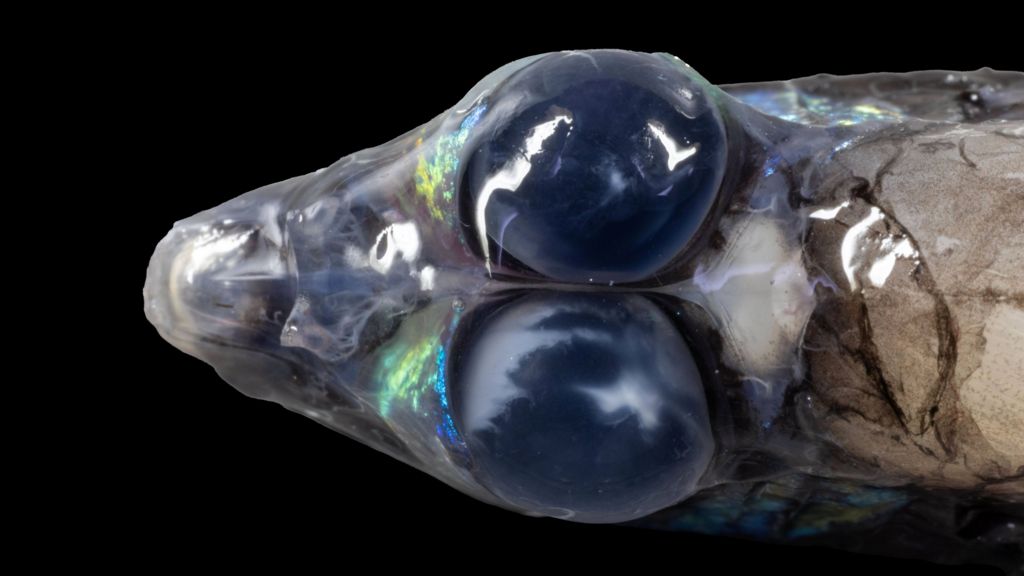
Among the most significant discoveries were 146 species unique to the Cayman Islands, Anguilla, and Turks and Caicos territories, with preliminary documentation of nearly 14,000 individual specimens representing 290 distinct marine creatures. The expedition captured footage of rare species including the pelican eel with its bioluminescent tail, barreleye fish with upward-pointing tubular eyes, and dragonfish featuring glowing chin appendages.
Professor James Bell, leading the expedition, emphasized the pristine condition of these environments: ‘We’ve found coral ecosystems completely unaffected by the stony coral disease that has devastated Caribbean reefs, likely protected by their depth and the mountainous topography.’ The team also identified black coral specimens potentially thousands of years old, ranking among the oldest living organisms ever recorded.
The research mission faced navigational challenges due to incomplete and outdated marine charts, requiring careful acoustic mapping of previously undocumented areas. The discovery of a 70-kilometer underwater ridge and the Caribbean’s potentially deepest blue hole highlights how much remains unknown about ocean depths.
Local environmental specialists from each territory participated in the expedition, gathering data to enhance biodiversity management strategies and identify sustainable fishing opportunities for island communities. This collaborative effort forms part of the UK’s Blue Belt Programme, supporting the nation’s commitment to protect 30% of global oceans by 2030 through scientifically informed marine protected areas.