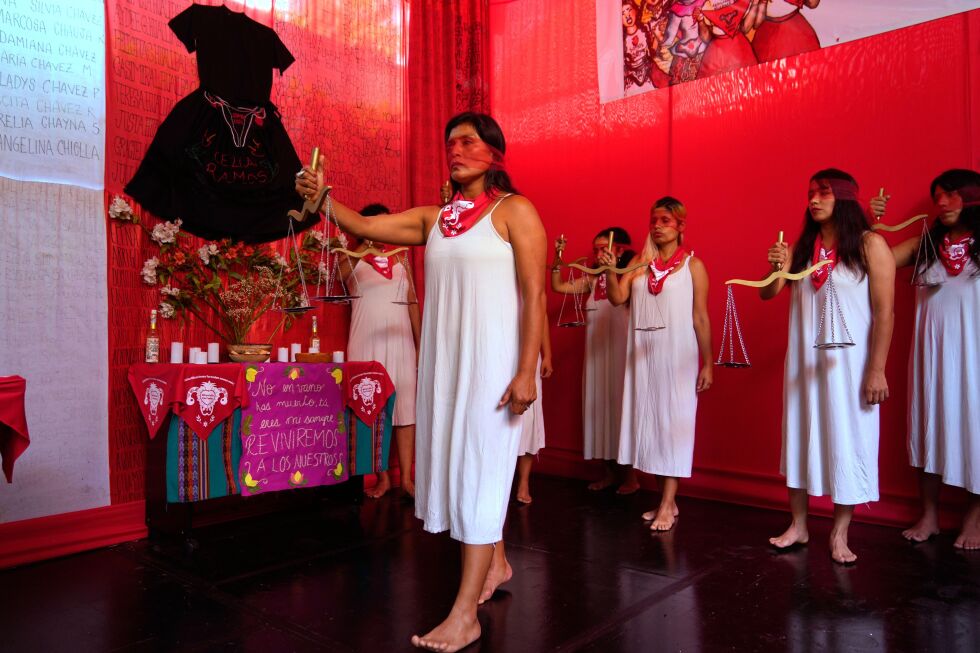
In a historic ruling with profound implications for human rights accountability, the Inter-American Court of Human Rights has mandated that Peru provide substantial reparations to the family of Celia Ramos, a victim of the nation’s coercive sterilization program implemented during Alberto Fujimori’s presidency. The landmark decision marks the first judicial condemnation by Latin America’s supreme human rights tribunal regarding Peru’s systematic sterilization campaign that predominantly targeted impoverished and Indigenous women.
Court documents reveal that Ramos, a 34-year-old mother of three from an Andean village, sought medical attention at a state health facility in 1997 only to be subjected to coercive tubal ligation procedures. The operation was conducted under critically substandard conditions, lacking essential medical equipment and necessary medications to address potential complications. During the procedure, Ramos suffered a severe allergic reaction but waited approximately thirty minutes before transfer to intensive care. She succumbed to complications nineteen days later on July 22, 1997.
The Peruvian state subsequently failed to conduct a formal autopsy and provided no transparent explanation to Ramos’ grieving family regarding her tragic demise. As rectification for these grave injustices, the court has ordered compensation totaling approximately $340,000 to the Ramos family, encompassing reimbursement for medical expenses and compensation for lost lifetime earnings.
This ruling emerges despite Peru’s judicial system having recently overturned criminal proceedings against the late President Fujimori in August 2024 regarding forced sterilizations. With Fujimori’s passing, legal attention has shifted toward establishing criminal accountability for other high-ranking officials, including multiple former health ministers implicated in the sterilization program. Peru’s Ministry of Justice had not issued an immediate response to requests for commentary regarding the court’s decision.