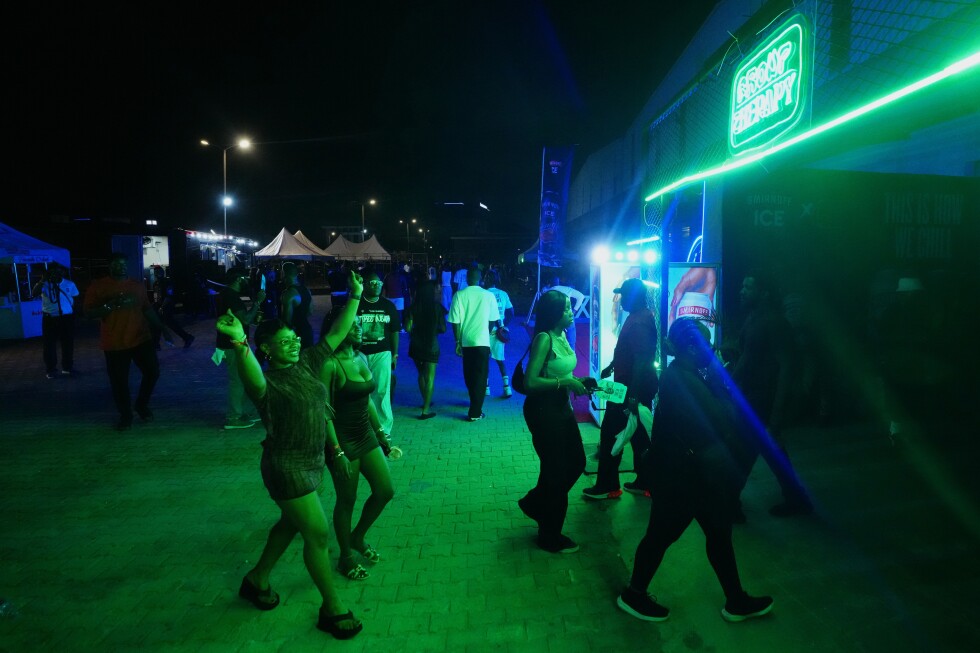
LAGOS, Nigeria — In a striking departure from Nigeria’s conventional club scene, thousands of young Lagosians are flocking to underground raves that prioritize communal experience over financial status. The movement represents a cultural shift in Africa’s most populous nation, where traditional ‘table culture’ nightlife has increasingly excluded youth grappling with record inflation.
At Group Therapy—a pioneering rave event in the upscale Lekki district—revelers experience a radically different social environment. The venue operates without the hierarchical seating arrangements that dominate mainstream clubs, featuring instead a unified dance floor where attendees dance shoulder-to-shoulder under pulsating green strobe lights. A single, modestly-priced bar replaces the multi-tiered bottle service endemic to Lagos nightlife.
Founder DJ Aniko explained the philosophy behind the movement: ‘Raves restore the essential element missing from conventional parties—actual space for dancing and genuine human connection. Typical Lagos venues require reservations and complicated bookings, transforming leisure into a competitive financial performance.’
Economic realities drive this cultural transformation. Traditional clubs often charge between 100,000 naira ($72.34) to one million naira for bottled drinks, effectively pricing out most young Nigerians. By contrast, Group Therapy charges a flat 21,000 naira ($15.19) entrance fee without pressure for additional purchases.
Cultural analyst Oluwamayowa Idowu of Culture Custodian notes: ‘This demonstrates declining purchasing power among youth. Raves offer democratic alternatives where enjoyment isn’t predicated on financial display. People now seek authentic experiences rather than performing affluence.’
The events feature continuous, high-tempo house music infused with African sonic elements—a trend that gained momentum post-pandemic through cross-pollination with South African genres. This musical choice deliberately avoids mainstream Nigerian artists who typically control club playlists, ensuring the focus remains on collective experience rather than celebrity culture.
Attendee Yetunde Onikoyi, 28, describes the appeal: ‘Since discovering raves last year, I’ve been completely captivated. The environment creates genuine connection through shared musical experience.’
Consultant Dayo Williams echoes this sentiment: ‘Finding spaces that prioritize human aspects over materialism feels like a blessing in today’s climate.’
The phenomenon represents both a cultural rebellion against Nigeria’s conservative social norms and an adaptive response to economic pressures, signaling a broader redefinition of leisure and community among urban youth.