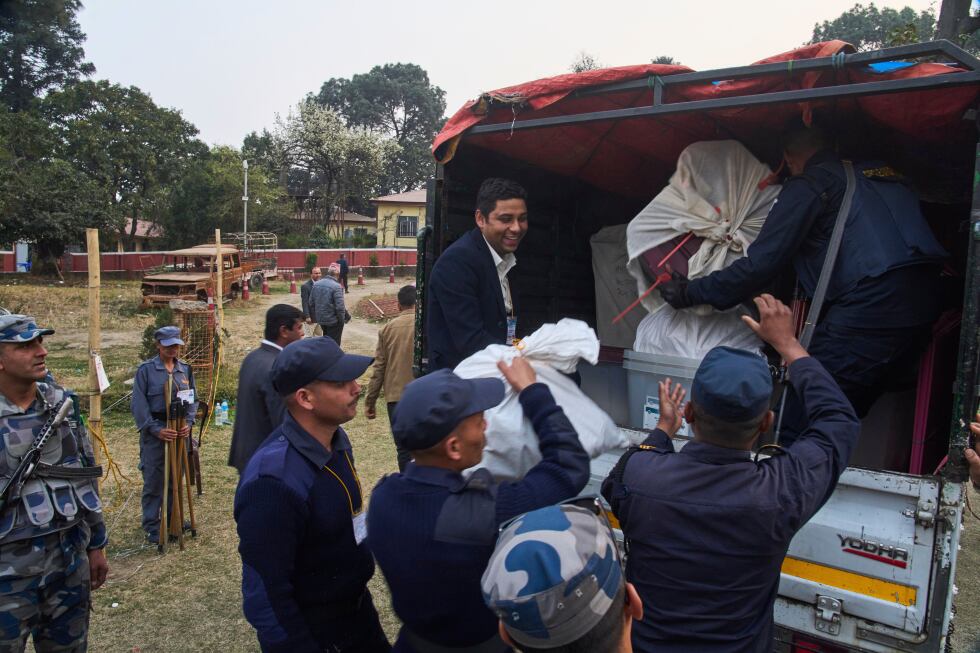
KATHMANDU, Nepal — Nepal embarked on a critical phase of democratic transition Friday as election authorities commenced meticulous vote counting following Thursday’s landmark parliamentary elections. This electoral exercise represents the first nationwide poll since September’s youth-led uprising that successfully toppled the previous administration.
The Election Commission confirmed the initiation of tallying processes across 53 of the 165 constituencies by Friday morning, with remaining districts scheduled to commence operations before nightfall. The complex logistical undertaking involves transporting ballot boxes from remote mountain villages—some accessible only through multiday treks—via helicopter to centralized counting facilities.
Electoral officials project final results will emerge by weekend’s end, with preliminary data indicating approximately 60% voter participation. The electoral mechanism combines direct voting for 165 House of Representatives seats with proportional representation allocating the remaining 110 positions in the 275-member parliamentary body.
Outside counting centers nationwide, particularly in the capital Kathmandu, enthusiastic supporters gathered chanting slogans and demonstrating vocal support for their preferred candidates. The election has fundamentally transformed into a triangular contest between the emergent National Independent Party and the traditionally dominant Nepali Congress and Communist Party of Nepal (Unified Marxist–Leninist).
Political analysts identify the 2022-established National Independent Party as the probable frontrunner, capitalizing on widespread public discontent regarding systemic corruption and demands for enhanced governmental accountability. The party’s prime ministerial candidate, 35-year-old Balendra Shah—a former rapper who secured Kathmandu’s mayoralty in 2022—emerged as a prominent leader during the 2025 uprising that unseated former Prime Minister Khadga Prasad Oli.
Shah’s campaign strategically emphasized healthcare and educational reforms for underprivileged Nepalis, harnessing substantial public frustration toward established political entities. The 2025 protests originated from opposition to social media restrictions before escalating into comprehensive anti-government demonstrations marked by tragic violence that resulted in numerous fatalities and hundreds injured during clashes between protesters and security forces.
While traditional parties maintain dedicated voter bases, Shah’s movement has demonstrated superior mobilizing capacity during campaign events, reflecting particularly strong resonance among younger demographics seeking substantive political alternatives.