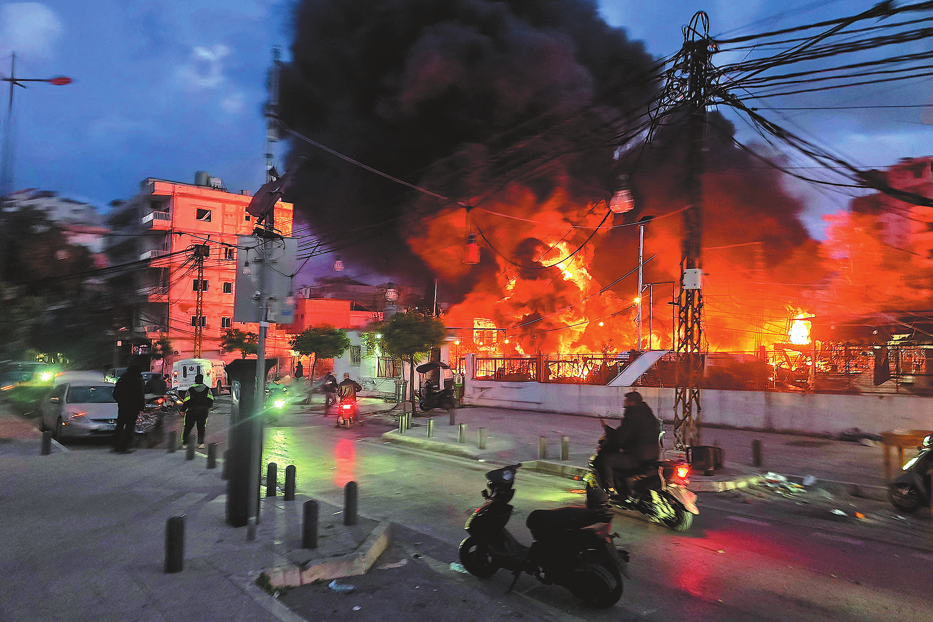
The Middle East conflict escalated dramatically on Thursday as Gulf nations intensified diplomatic efforts to curb Iranian military actions while multiple battlefield developments signaled expanding regional turmoil.
Qatari Prime Minister Sheikh Mohammed bin Abdulrahman Al Thani engaged in urgent communications with Iranian Foreign Minister Seyed Abbas Araghchi, explicitly urging Tehran to desist from further retaliatory strikes. This diplomatic intervention occurred alongside significant military developments across multiple theaters.
In a notable maritime confrontation, a United States submarine eliminated an Iranian frigate within Sri Lanka’s territorial waters on Wednesday. The engagement resulted in over 80 casualties, with 32 sailors successfully rescued. Sri Lankan authorities confirmed a second Iranian warship was approaching their waters, though officials indicated the vessel was experiencing mechanical difficulties and sought port access rather than presenting an immediate threat.
The conflict expanded beyond traditional battle zones as Azerbaijan reported Iranian drone strikes on its territory, injuring four civilians and prompting formal diplomatic protests. Meanwhile, Bahrain’s Defense Force disclosed extensive defensive operations, claiming destruction of 75 missiles and 123 drones since hostilities commenced.
Energy infrastructure became a focal point as Iran’s Revolutionary Guards claimed responsibility for striking a US tanker in the Persian Gulf’s northern waters, setting the vessel ablaze. The United Kingdom Maritime Trade Operations documented a substantial explosion 30 nautical miles southeast of Kuwait’s Mubarak al-Kabeer Port, with subsequent oil leakage raising environmental concerns despite crew safety.
In Washington, the US Senate rejected a bipartisan resolution that would have constrained presidential authority to conduct military operations against Iran without congressional approval. The measure, championed by Senators Tim Kaine and Rand Paul, failed along party lines amid Republican support for the administration’s current military stance.
Lebanon experienced further violence as Israeli drone strikes in Tripoli killed two individuals, including a Hamas official, and injured a woman. Iran issued stark warnings that Israeli diplomatic facilities worldwide would become legitimate targets if Iranian embassies in Lebanon faced assault.
Evacuation measures intensified throughout the region, with Qatari authorities relocating residents near US embassy compounds and Omani officials coordinating multinational civilian extraction efforts. These developments followed attacks on US government and military installations in Saudi Arabia, Kuwait, and the United Arab Emirates.