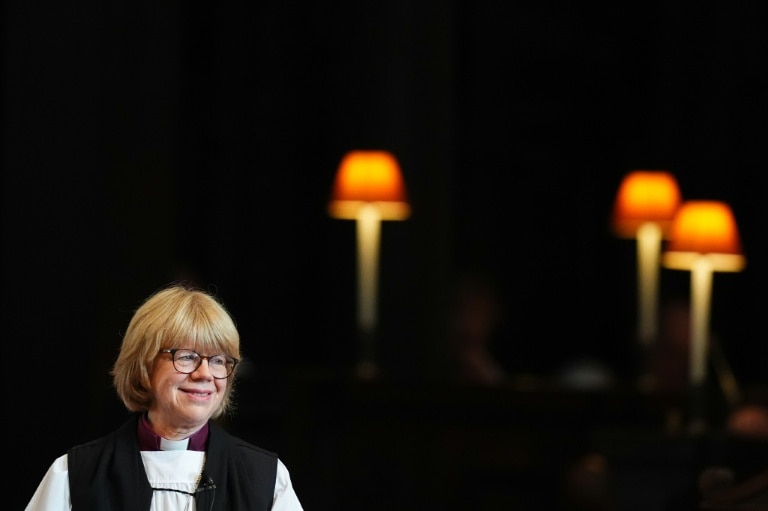
The Anglican Communion faces unprecedented division as conservative factions establish a parallel leadership structure in response to the Church of England’s groundbreaking appointment of its first female Archbishop of Canterbury. The Global Anglican Future Conference (Gafcon), representing traditionalist elements within the faith, announced the formation of a new governing council during meetings in Abuja, Nigeria.
Archbishop Laurent Mbanda of Rwanda, 71, currently serving as Gafcon’s chairman since 2023, was named to lead the newly established Global Anglican Communion. This development directly challenges the authority of Bishop Sarah Mullally, the 63-year-old former nurse scheduled to assume the role of Archbishop of Canterbury on March 25. Mullally’s appointment marks a historic milestone as she becomes the spiritual leader of the 85-million-strong global Anglican community spanning approximately 165 countries.
The conservative opposition, particularly strong among African archbishops, centers on theological objections to female leadership within the church hierarchy. Archbishop Henry Ndukuba of Nigeria’s Anglican Church, which represents the world’s second-largest Anglican community with 18 million members, previously stated that ‘the majority of Anglicans’ reject the concept of a woman leading their church.
Gafcon spokesman Justin Murff explicitly articulated the separation, telling journalists: ‘Archbishop Sarah Mullally is the Archbishop of Canterbury… but the Global Anglican Communion recognizes as its leader Archbishop Laurent Mbanda.’ He characterized the new entity as ‘the Anglican Communion reordered to a biblically faithful orthodox perspective,’ representing a ‘radical departure’ from the current Canterbury-based leadership.
The Anglican Communion Office acknowledged the deepening rift in a Thursday statement, recognizing ‘pain and division in the family’ while urging unity among members. A spokesperson emphasized that ‘in a fragmented world, it’s vital we work through our differences together and uphold the unity of God’s Church.’
This institutional schism reflects longstanding tensions between progressive developments in Western Anglican churches and conservative theological positions maintained particularly strongly in African Anglican communities. The Archbishop of Canterbury traditionally holds significant ceremonial roles in British society, presiding over major royal events including coronations, weddings, and funerals.