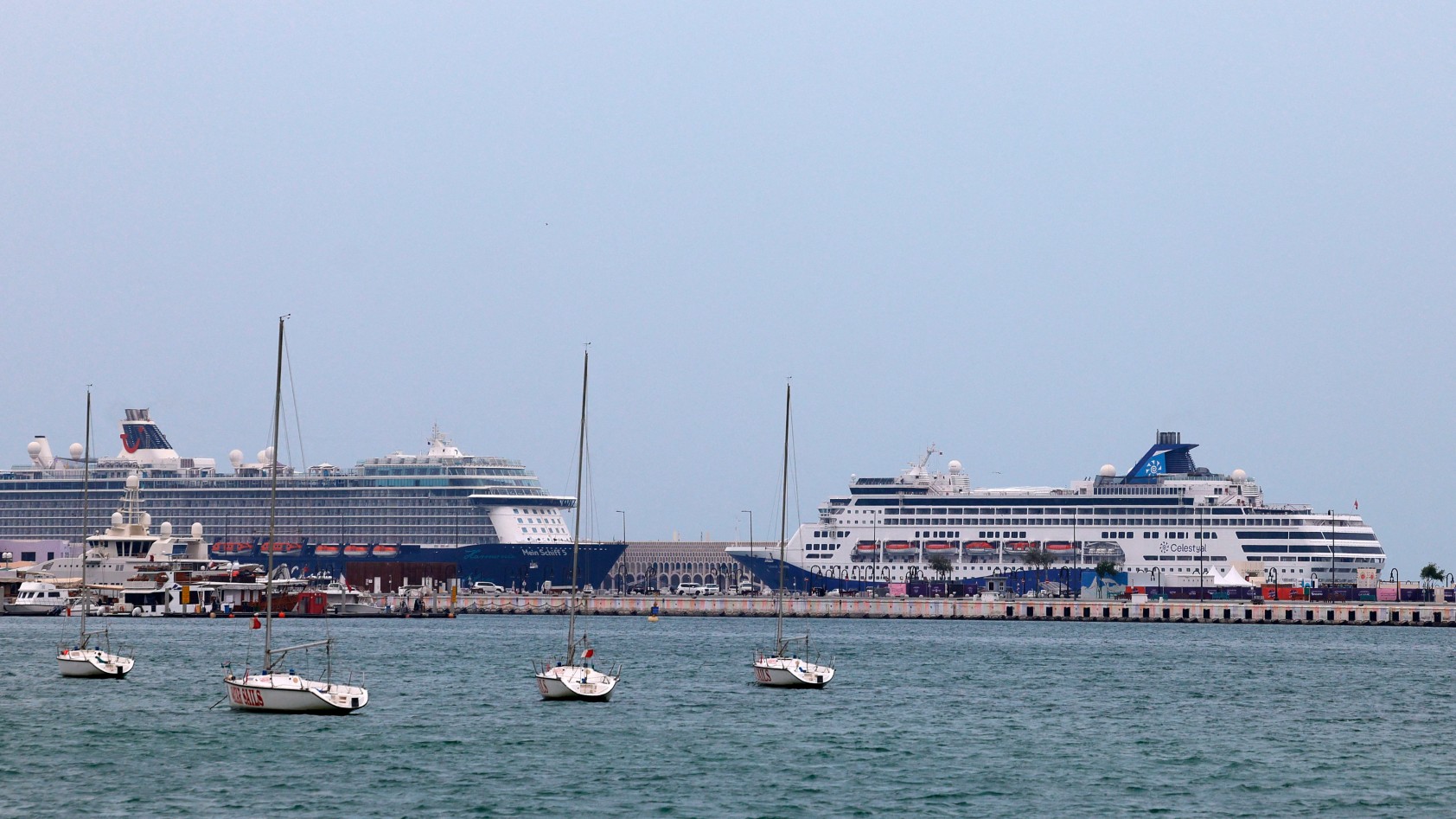
A severe maritime crisis has unfolded in the Persian Gulf region, leaving approximately 35,000 individuals stranded amid escalating regional hostilities. According to the International Maritime Organization (IMO), a United Nations agency, this includes roughly 15,000 cruise ship passengers and 20,000 seafarers trapped as conflict has brought commercial shipping to a virtual standstill.
The humanitarian and economic impact continues to grow as the vital Strait of Hormuz, typically one of the world’s most crucial oil transit channels, has been nearly closed by Iranian authorities following the outbreak of regional warfare. Maritime traffic through this critical chokepoint has plummeted dramatically, with seaborne traffic declining by 80% over a recent weekend and oil tanker transits experiencing a staggering 90% reduction compared to the previous week.
IMO Secretary General Arsenio Dominguez condemned the situation, stating, ‘Beyond the economic impact of these alarming attacks, it is a humanitarian issue. No attack on innocent seafarers is ever justified.’ He reiterated calls for all shipping companies to exercise maximum caution when operating in the affected region.
The human cost became tragically clear with reports that two Indian crew members, identified as Ashish Kumar and Dalip Singh, were killed in attacks on the Palau-flagged oil tanker Skylight in the Gulf of Oman. An estimated 23,000 Indian crew members remain stranded near the Hormuz Strait, unable to safely transit the region.
This maritime freeze represents just one sector of the growing number of industries disrupted by the Middle East conflict, with tourism particularly severely affected. Global Forecasting projects inbound arrivals could fall by as much as 25% year-on-year by 2026 if the situation persists.