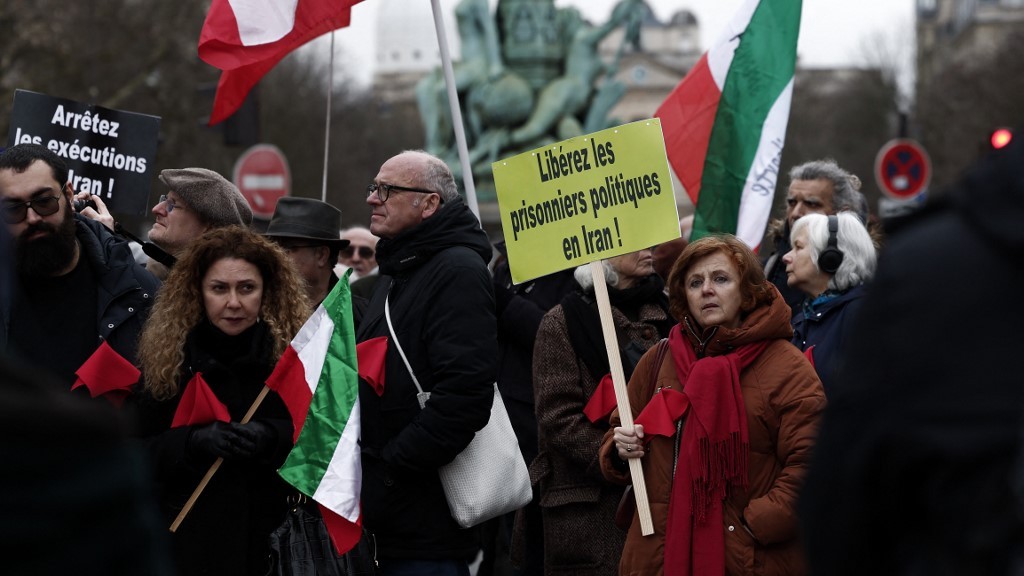
Amid ongoing US-Israeli airstrikes targeting Iranian military installations, grave concerns are mounting for the safety of political prisoners detained across the Islamic Republic. Multiple detention facilities, including the infamous Evin Prison in Tehran, are situated perilously close to military bases and Revolutionary Guards (IRGC) compounds, placing inmates directly in the line of fire.
The collateral damage extends beyond immediate bombardment risks to include severe shortages of food, water, and medical supplies. Families express additional terror that authorities might exploit the wartime chaos to carry out unreported executions, echoing the 1988 mass killings during the Iran-Iraq conflict.
Case studies highlight the desperation: The families of Jaber and Mokhtar Alboshoka, Ahwazi Arab cultural rights activists serving life sentences since 2011, have lost contact amid the attacks. Their cousin Kamil, based in London, articulated the dual fear of neglect and covert executions, noting that Sheiban Prison—where Jaber is held—adjoints an IRGC base making it particularly vulnerable.
Prison conditions, already critical before the conflict, have deteriorated dramatically. The Narges Mohammedi Foundation reports dwindling medical access and food shortages in facilities from Qezel-Hesar to Lakan Prison. Kiana Rahmani, daughter of imprisoned rights campaigner Narges Mohammedi, pleaded for international attention, stating prisoners are ‘trapped between regime brutality and the thunder of explosions.’
Former inmates confirm catastrophic overcrowding and health crises, with influenza spreading among 4,000 inmates at Sheiban Prison serviced by a single doctor. Minority groups, including Ahwazi Arabs and Kurds, face particular vulnerability, with both US and Israeli leaders attempting to leverage their grievances for geopolitical aims.
The Kurdish women’s group KJAR expressed skepticism about Western intervention bringing genuine democracy, noting intensified security measures and worsening conditions. With civilian casualties from bombardment already exceeding 1,000, families of political prisoners fight to keep their loved ones from becoming forgotten casualties of war.