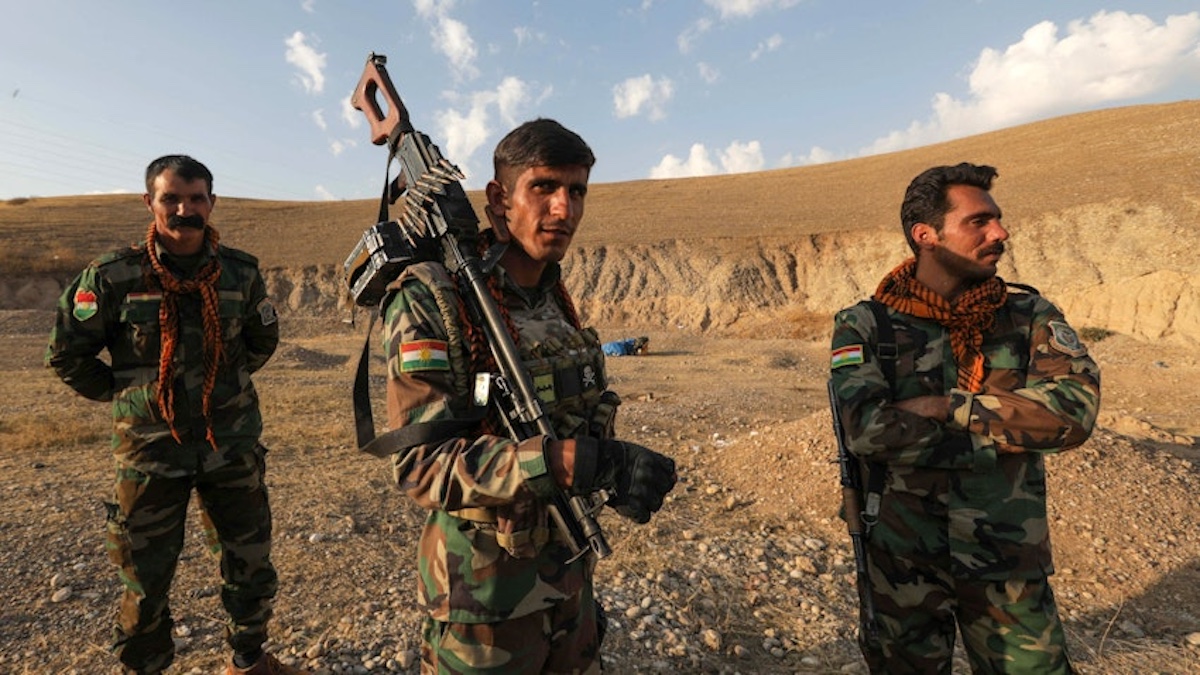
A strategic initiative reportedly under consideration by the US Central Intelligence Agency could dramatically escalate tensions in the Middle East. According to CNN sources, the agency is exploring plans to equip Kurdish forces with weapons to instigate an uprising within Iran’s borders, potentially facilitated through neighboring Iraqi Kurdistan.
The operational concept envisions Kurdish militants engaging Iranian security forces to create protective conditions for civilian protesters in urban centers, theoretically preventing a recurrence of the violent crackdowns witnessed during January’s civil unrest. This approach, however, carries significant geopolitical risks that could transform a localized conflict into a regional conflagration.
Historical precedents suggest concerning potential outcomes. The recent abandonment of Syrian Kurds following the fall of the Assad regime demonstrates the precarious nature of US alliances with Kurdish groups. After establishing an autonomous region in northern Syria, these forces were ultimately compelled to submit to central authority following a Turkish-backed military offensive.
The regional implications are particularly complex regarding Turkey, which maintains a long-standing policy of intervention against Kurdish militant groups across borders. Any perceived gains by Iranian Kurds—potentially supported by US and Israeli air capabilities—could trigger substantial Turkish military involvement similar to previous operations in Iraq and Syria.
Further escalation could involve multiple regional actors. Azerbaijan, a close Turkish ally with significant cultural ties to northern Iran’s Azeri population, might seize opportunities to advance territorial claims. Saudi Arabia and other Gulf states could potentially engage their longstanding Iranian rival, while Pakistan might intervene under counterterrorism pretexts against Baloch separatists.
This cascade of interventions, beginning with US support for Kurdish forces, could ultimately threaten Iranian territorial integrity through various mechanisms including regional autonomy arrangements, formal partition, or neighbor-state annexations. The Kurdish strategy, while potentially creating short-term pressure on Tehran, risks fundamentally destabilizing the regional balance of power and potentially dismantling the Iranian state as currently constituted.