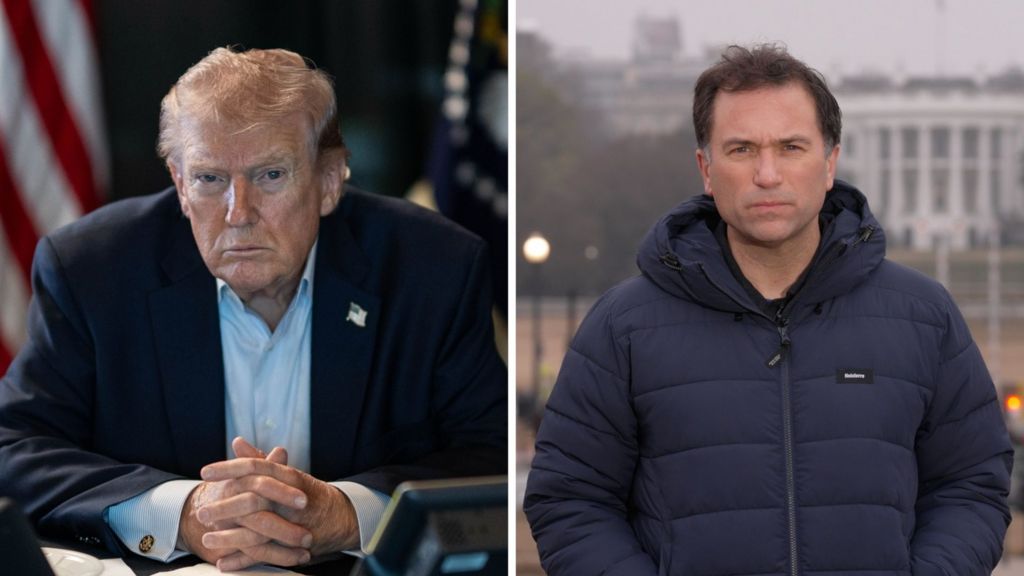
The Trump administration’s conflicting communications regarding military engagements with Iran have drawn intense scrutiny from analysts examining the precision of governmental messaging during international crises. BBC Analysis editor Ros Atkins has dissected the divergent statements emerging from various officials within the administration, creating a mosaic of contradictory narratives that has complicated the understanding of U.S. actions and intentions toward Iran.
This examination reveals a pattern of shifting justifications and evolving explanations that have left both allies and adversaries struggling to interpret American foreign policy objectives. The administration’s initial characterization of operations as ‘imminent threat’ responses subsequently faced modifications and qualifications from different government spokespersons, creating confusion about the factual basis for military decisions.
This phenomenon represents a case study in how modern governments communicate during tense geopolitical situations, where traditional diplomatic clarity appears to have been supplanted by competing narratives from different power centers within the same administration. The resulting information vacuum has been filled with speculation and uncertainty about the true nature of events and the strategic thinking behind American actions in the volatile Middle East region.
The analysis further explores how such mixed messaging affects international relations, alliance structures, and global perceptions of American leadership, raising fundamental questions about accountability and transparency in governmental communications during times of potential conflict.