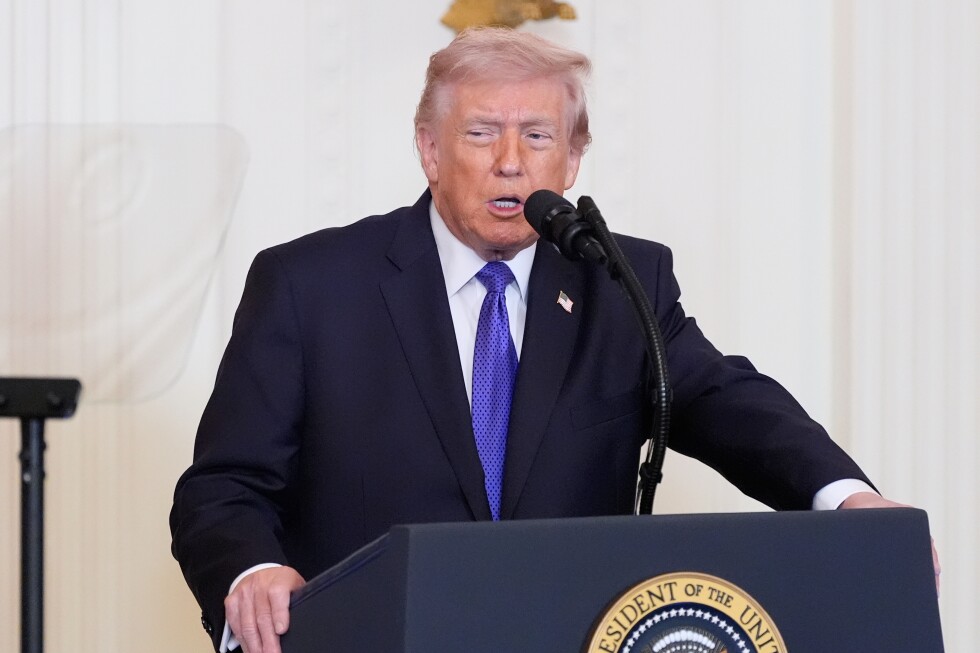
The ongoing tension between presidential authority and congressional oversight over military operations has reached a critical juncture during Donald Trump’s second term. The Republican-controlled House prepares for a pivotal vote Thursday following the Senate’s rejection of Democratic-led measures to curtail presidential war powers in the ongoing U.S.-Israeli campaign against Iran.
President Trump has consistently asserted broad, arguably unlimited authority over military deployments, approving naval strikes near Venezuela, establishing a maritime blockade, and authorizing operations to depose Venezuelan leader Nicolás Maduro—actions that many legal scholars consider acts of war under international law. These maneuvers follow earlier considerations of military action in Greenland and Latin America before escalating into comprehensive bombing operations in Iran.
While the Constitution designates the president as commander-in-chief of armed forces, it simultaneously grants significant war powers to Congress. Trump’s refusal to accept limitations on his military options demonstrates, according to constitutional experts, a fundamental shift in the balance of power away from the framers’ original vision of civilian-controlled military authority.
Military historian Peter Mansoor, an Ohio State University professor and retired Army colonel, emphasizes that ‘the Constitution gives war powers to two different branches of government.’ He notes with concern that ‘the pendulum has swung towards the executive,’ contrary to the framers’ intention that Congress should remain the most powerful branch.
The historical context reveals a persistent erosion of congressional war authority. Despite Article I granting Congress the power to declare war, no formal declaration has occurred since World War II, even as American troops engaged in major conflicts in Korea, Vietnam, Iraq, and Afghanistan. The Trump administration’s recognition of military actions against Venezuela through Medal of Honor awards—typically reserved for combat against foreign enemies—further blurs legal distinctions between authorized conflicts and presidential military initiatives.
The 1973 War Powers Resolution, designed to reassert congressional oversight, has proven largely ineffective in practice. Recent failed attempts to limit presidential authority through legislative measures demonstrate the ongoing struggle between executive action and legislative constraint—a tension that has characterized military operations from Truman’s Korean ‘police action’ to Biden’s withdrawal from Afghanistan, the nation’s longest undeclared war.