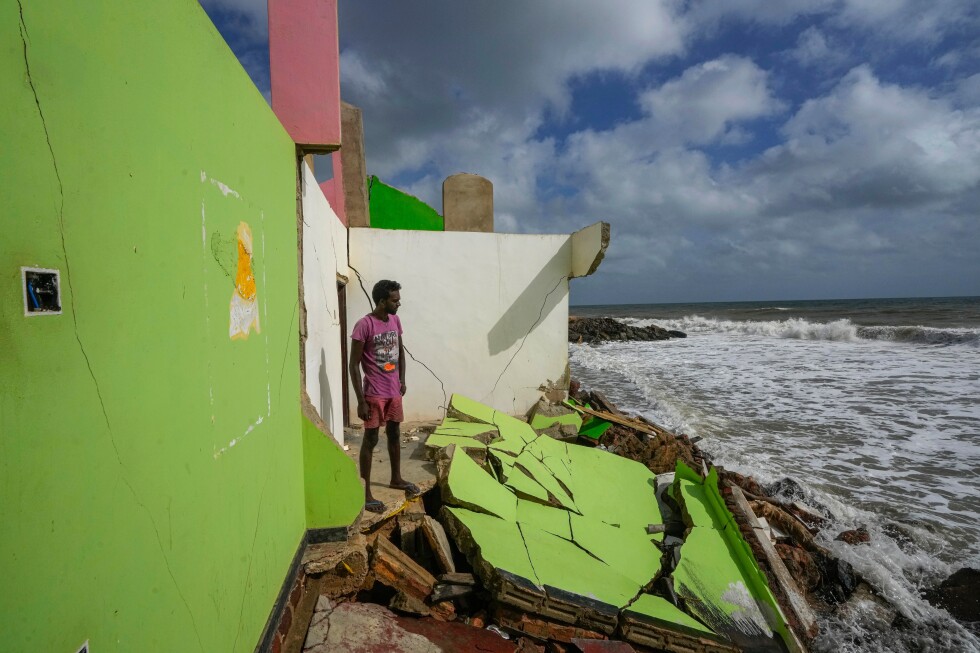
A groundbreaking study published in Nature has uncovered a systematic underestimation in global sea level rise projections that could place tens of millions more people at risk of coastal flooding than previously anticipated. The research reveals that approximately 90% of existing scientific studies and hazard assessments have miscalculated baseline coastal water heights by an average of 30 centimeters (1 foot), creating a dangerous gap in climate preparedness planning.
The international research team, led by Katharina Seeger of the University of Padua and Philip Minderhoud of Wageningen University, identified a fundamental ‘methodological blind spot’ in how scientists measure the intersection of land and sea. The discrepancy stems from incompatible measurement systems between satellite-based altimetry and land-based elevation models, particularly problematic in the Global South, Pacific regions, and Southeast Asia.
‘Studies typically assume a zero-meter starting point without accounting for actual measured sea levels,’ explained Seeger. The reality at coastlines involves complex dynamics including waves, currents, tidal variations, temperature fluctuations, and phenomena like El Niño – factors routinely excluded from simplified models.
The implications are staggering: when adjusting for accurate baseline measurements, a 1-meter sea level rise (projected by end-century scenarios) could inundate up to 37% additional coastal land. This places 77 to 132 million more people in vulnerable regions at direct risk, with Southeast Asian and Pacific island nations facing the most severe threats.
Climate scientist Anders Levermann of the Potsdam Institute noted, ‘The risk of extreme flooding is much higher than previously thought for enormous populations.’ The findings underscore urgent needs for revised climate adaptation strategies and funding mechanisms.
While some experts suggest local planners may already compensate for these discrepancies, the study highlights how methodological oversights could undermine global climate resilience efforts. The research emerges alongside a UNESCO report warning of significant gaps in understanding oceanic carbon absorption, suggesting broader challenges in climate modeling accuracy.
For coastal communities like those in Vanuatu, where 17-year-old activist Vepaiamele Trief observes eroding shorelines and submerged graves, the scientific revisions confirm lived experiences: ‘These studies represent people’s actual livelihoods being completely overturned.’