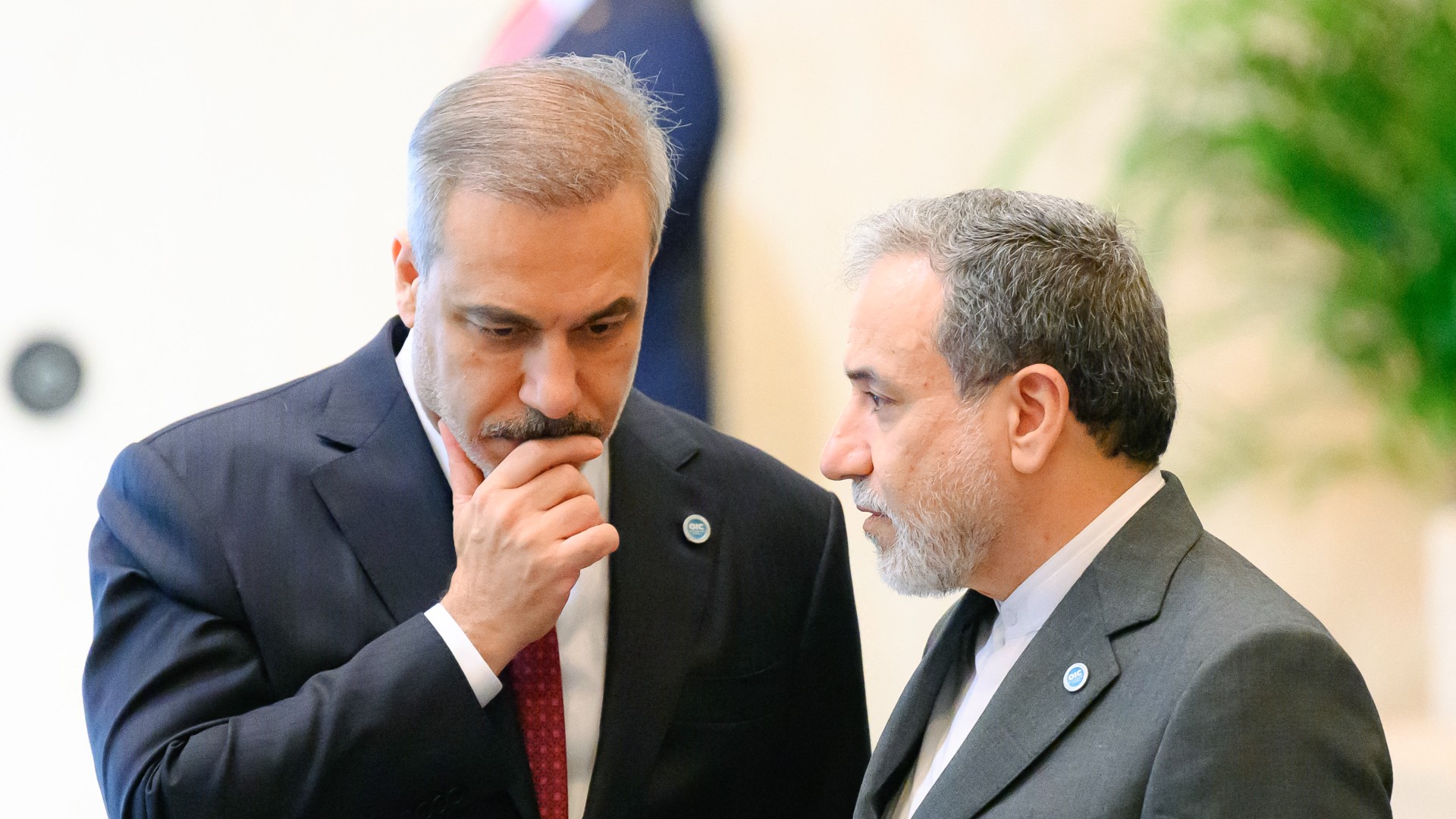
Turkish Foreign Minister Hakan Fidan has disclosed extensive diplomatic efforts by Ankara to prevent military confrontation between the United States and Iran, revealing that Tehran fundamentally misjudged Washington’s determination during critical negotiations.
In a comprehensive briefing, Fidan detailed how Turkey initiated backchannel diplomacy following a historic January 27 phone conversation between President Recep Tayyip Erdogan and US President Donald Trump. During this exchange, Trump expressed support for Erdogan’s proposal to facilitate direct talks with newly elected Iranian President Masoud Pezeshkian via teleconference—an offer Tehran ultimately declined.
“Had the proposal for a trilateral meeting between the United States, Turkey and Mr. Pezeshkian been accepted by the Iranian side, it would have been a game-changing development,” Fidan stated, emphasizing that negotiations had reached a critical impasse requiring innovative diplomatic solutions.
The minister described January’s security environment as particularly volatile, with Washington facing intense decision-making pressure regarding potential military action against Iran. “Those were truly dark days,” Fidan recalled. “Talk of war breaking out, of an imminent strike, was everywhere.”
Three days after the Trump-Erdogan discussion, Turkey hosted Iranian Foreign Minister Abbas Araghchi in Istanbul, where Turkish diplomats developed a novel negotiation architecture. The proposal involved separating four contentious issues into two categories: two matters for direct US-Iran discussion and two for resolution through regional mediation involving Turkey and other Middle Eastern nations.
While American officials immediately accepted this framework, Iranian representatives requested consultation with senior leadership in Tehran. Turkish officials later learned that Supreme Leader Ali Khamenei—recently deceased—opposed multilateral negotiations in Istanbul.
Iran instead opted for bilateral talks in Oman, excluding regional powers Qatar, Saudi Arabia, the UAE, Egypt, and Jordan from the process. By February 27, Fidan recognized the negotiations were stalling, though he believed extended dialogue might have produced agreements absent American military timetables and substantial Israeli pressure.
Fidan suggested Iran’s misreading of Trump’s decision-making constraints ultimately weakened their diplomatic position. He expressed Ankara’s preference for limited military de-escalation rather than regime change, which would introduce “far more complex risks” regionally.
The foreign minister indicated that Iran’s temporary leadership council—including President Pezeshkian—might present new opportunities for conflict resolution, describing the Iranian leader as someone Ankara could productively engage with on American concerns.