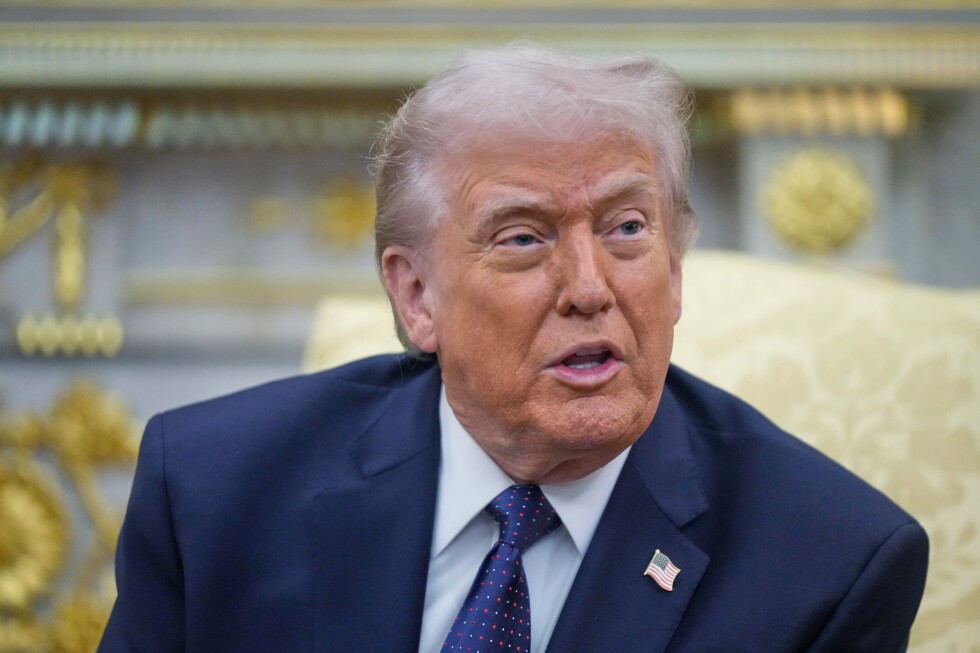
In a dramatic escalation of transatlantic tensions, former President Donald Trump issued a stark warning to terminate all trade relations with Spain during an Oval Office meeting with German Chancellor Friedrich Merz on Tuesday. The threat emerged from dual grievances regarding Spain’s refusal to support U.S.-Israeli military actions against Iran and its resistance to meeting NATO’s defense spending targets.
Trump’s declaration came directly following Spanish Foreign Minister José Manuel Albares’ statement that American military bases in southern Spain would not be utilized for strikes unauthorized by the United Nations charter. Albares specifically confirmed that these joint facilities played no role in the recent weekend operations against Iran.
The feasibility of implementing such a trade cutoff remains legally complex, as Spain operates within the European Union’s unified trade framework. The EU negotiates comprehensive trade agreements collectively for all 27 member states, presenting significant jurisdictional challenges to unilateral action.
A spokesperson from Spanish Prime Minister Pedro Sánchez’s office responded firmly, emphasizing that any review of trade agreements must respect “the autonomy of private companies, international law, and bilateral agreements between the European Union and the United States.”
This confrontation represents the latest application of Trump’s trademark economic coercion tactics, occurring shortly after a Supreme Court decision struck down his previous expansive tariff authorities. While the court limited presidential power to impose broad tariffs under the International Emergency Economic Powers Act, Trump now interprets the ruling as granting him alternative authority to implement full-scale embargoes against selected nations.
Additional friction points emerged regarding defense expenditures, with Trump criticizing Spain’s withdrawal from NATO’s 5% spending commitment. Spain maintains that allocating 2.1% of GDP sufficiently meets its military capability requirements—a position Trump vehemently rejected. Chancellor Merz acknowledged the spending discrepancy, noting German efforts to persuade Spain that collective security requires full compliance with alliance commitments.
Spain defended its NATO contributions, asserting its status as “a key member of NATO, fulfilling its commitments and making a significant contribution to the defense of European territory.”
During the meeting, Trump consulted Treasury Secretary Scott Bessent regarding embargo authority, receiving confirmation that the administration would pursue investigations through the U.S. Trade Representative and Commerce Department. The Treasury Department declined to provide additional commentary to The Associated Press.
The diplomatic rift extends beyond military matters, with Prime Minister Sánchez’s government condemning the Iran strikes as “unjustifiable” and “dangerous” while demanding immediate de-escalation. Spain’s progressive administration has also been notably critical of Israel’s military operations in Gaza, further distinguishing its foreign policy from Washington’s approach.
Trump concluded with personal criticism, stating Spain offers “absolutely nothing that we need other than great people,” while denouncing the country’s leadership. This exchange marks the most significant deterioration in U.S.-Spanish relations since Sánchez emerged as Europe’s last major progressive leader.