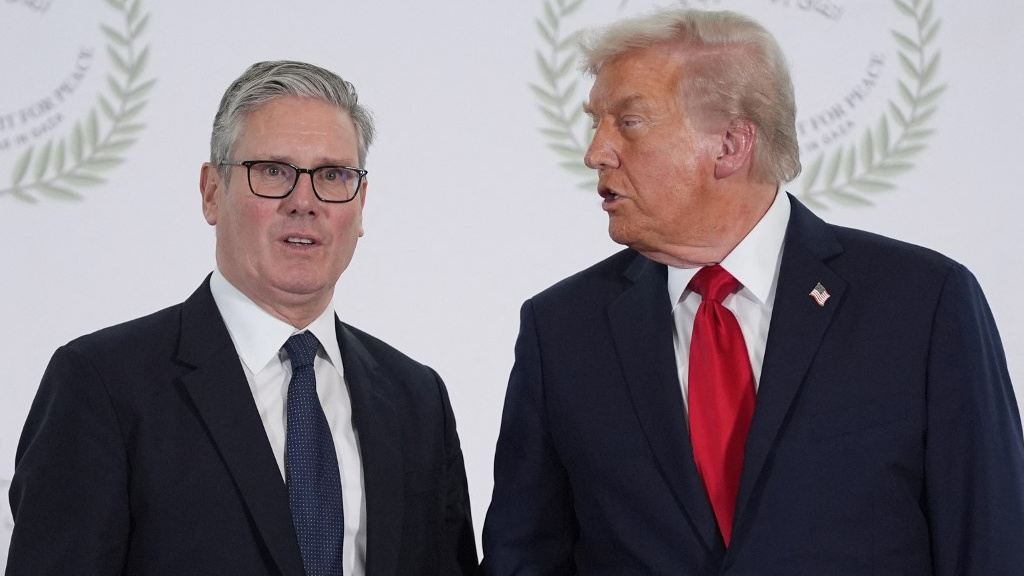
Former U.S. President Donald Trump has launched a sharp critique against British Prime Minister Keir Starmer, questioning his refusal to fully endorse the recent U.S.-Israeli military action against Iran. In an interview with The Sun, Trump suggested this hesitation might constitute an effort to appease British Muslim voters, stating bluntly, “it could be” the case.
The diplomatic friction emerged after Britain initially blocked U.S. access to the joint UK-US military base on Diego Garcia for offensive strikes against Iran. This decision, reportedly based on legal counsel from Attorney General Lord Richard Hermer, was later modified. On Sunday, Prime Minister Starmer announced a compromise: the U.S. would be permitted to use British bases, but strictly for the purpose of targeting Iranian missile sites, not for the broader offensive operations that began Saturday.
Trump expressed profound disappointment, characterizing the UK’s stance as unhelpful and lamenting the deterioration of the historically “most solid relationship.” He remarked, “I never thought I’d see that from the UK,” and described the modern United Kingdom as “not such a recognisable country” anymore, specifically criticizing London’s leadership.
This stance from the British government aligns with significant public opposition. A recent YouGov poll indicates 49% of the British public opposes U.S. military action against Iran, with only 28% in support. Furthermore, 50% oppose allowing the U.S. to utilize British airbases for such actions.
The Prime Minister’s decision has also drawn fire from across the domestic political spectrum. Right-wing figures, including Reform leader Nigel Farage and Tory leader Kemi Badenoch, condemned Starmer for not granting unconditional base access. Conversely, Liberal Democrat leader Ed Davey and Green Party leader Zack Polanski urged for a parliamentary vote on the matter, with Polanski going so far as to label the U.S. a “rogue state” and demand a reversal of the decision.