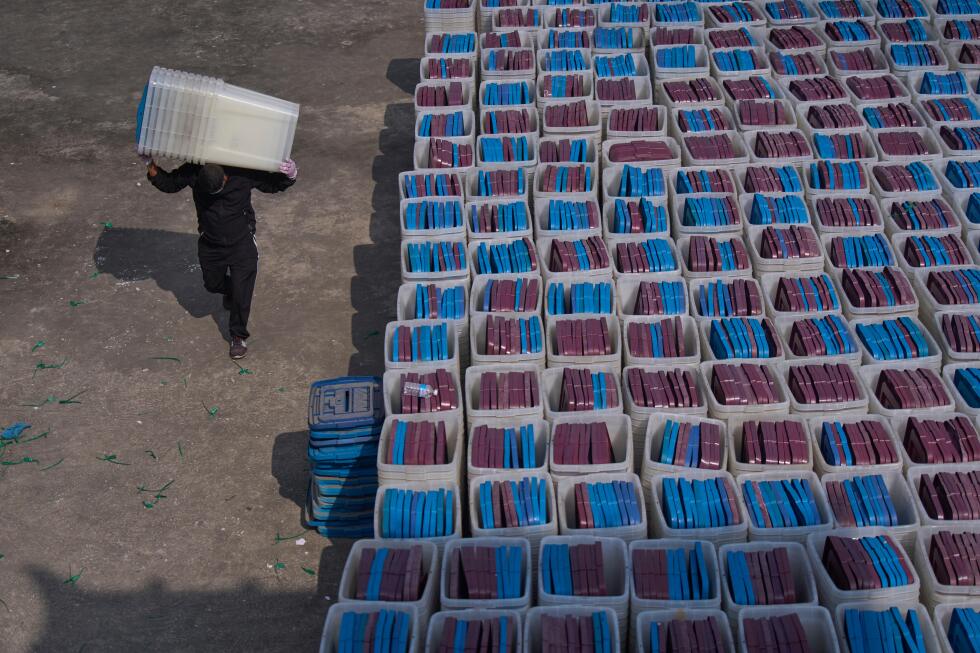
KATHMANDU, Nepal — Nepal commenced pivotal parliamentary elections on Thursday, marking a significant political transformation triggered by a youth-led uprising that toppled the previous administration. This electoral event occurs merely three years after the nation’s last national vote, following substantial political turmoil that culminated in governmental collapse in 2025, subsequently establishing an interim government that mandated fresh elections.
The Election Commission reports approximately 18.9 million registered voters participating in this democratic process, demonstrating a notable increase of nearly one million voters compared to the November 2022 elections. Gender distribution reveals 966,000 male voters and 924,000 female voters, with an additional 200 individuals registered under the ‘others’ category, encompassing gender-diverse and LGBTQ+ community members.
The substantial voter registration surge reflects heightened political engagement among youth, particularly those who spearheaded the September 2025 uprising that precipitated early elections. This movement has emerged as a central campaign issue, with political parties actively courting younger demographics through anti-corruption platforms and governance reform promises.
Voters will directly elect 165 representatives to the House of Representatives, Parliament’s powerful lower chamber. The remaining 110 seats in the 275-member legislature will be allocated through proportional representation, where political parties appoint lawmakers based on their electoral vote share. Nepal’s political history demonstrates a pattern of coalition governments, with multiple parties typically combining forces to secure parliamentary majorities amid considerable instability—the nation has witnessed 15 different governments over the past two decades.
This election presents a critical challenge to Nepal’s traditionally dominant parties—the Nepali Congress and the Communist Party of Nepal (Unified Marxist–Leninist)—both of which faced public discontent after participating in the ousted government. The National Independent Party, established in 2022, has gained substantial traction during campaigning, featuring former Kathmandu Mayor and ex-rapper Balendra Shah as its prime ministerial candidate.