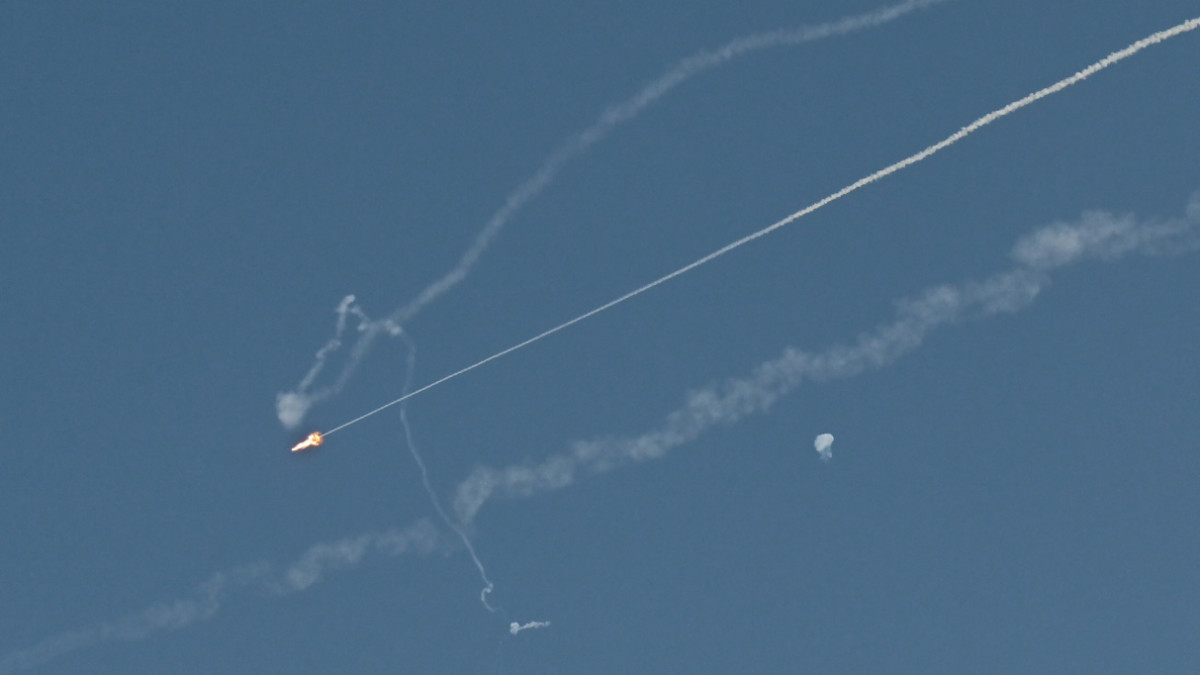
According to sources familiar with diplomatic discussions, the United States is allegedly delaying responses to several Gulf nations seeking to replenish their depleted air defense interceptor inventories amid escalating regional tensions. A former US official and a Western diplomat disclosed to Middle East Eye that these Gulf states face mounting pressure to align with US-Israeli military operations against Iran.
One Gulf nation, previously targeted by Iranian attacks, reportedly inquired about restocking interceptor supplies diminished during recent joint US-Israeli operations against Iran. The request was allegedly met with non-committal responses from US officials. Separately, another Gulf state responded to US requests for base access by seeking clarifications regarding Washington’s commitment to their aerial defense capabilities.
The former US official indicated that Gulf states should not anticipate immediate resupply, stating: “Whatever munitions were produced in the last couple of months, we have shot several years’ worth of production in the last few days.”
Saudi Arabia, Kuwait, the UAE, Qatar, and Bahrain have all faced Iranian ballistic missile and drone assaults, with Bahrain, Qatar, and the UAE experiencing the most intensive attacks. Qatar recently announced the interception of two Iranian Su-24 fighter jets, while the UAE reported destroying 814 of 871 incoming projectiles since Saturday—typically requiring two to three interceptors per incoming missile.
The UAE’s sophisticated defense network includes Terminal High Altitude Area Defense (THAAD) systems, Patriot PAC-3 surface-to-air missiles, and additional South Korean, Russian, Israeli, and domestic Skynight systems. Despite maintaining a government-reported 90% interception rate, THAAD and Patriot interceptors remain costly and require years to manufacture.
Kelly Grieco of the Stimson Center noted on social media: “The UAE has now burned through a significant chunk of an interceptor stockpile that took years to build.”
The geopolitical developments coincide with a reported redeployment of the USS Gerald R. Ford aircraft carrier from the Mediterranean to the Gulf, potentially indicating US efforts to address regional security concerns following President Trump’s discussion with Emirati leader Mohammed bin Zayed regarding Iranian attacks.