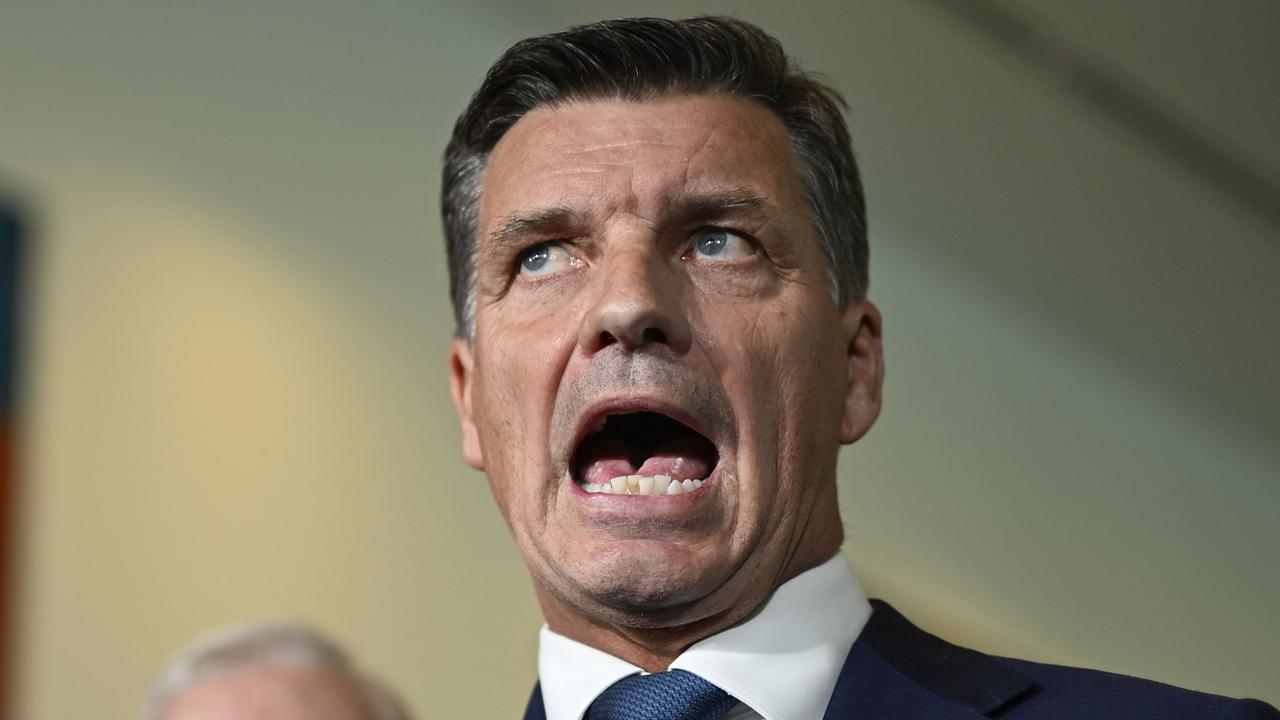
Australian Opposition Leader Angus Taylor engaged in a heated exchange with a journalist during a press conference addressing the controversial issue of repatriating citizens with ISIS connections. The confrontation occurred Monday following Taylor’s meeting with Nationals MP Michael McCormack and representatives of the persecuted Yazidi community.
The political firestorm centers on the Coalition’s proposed legislation to criminalize assistance for 34 women and children seeking return to Australia after years in Syrian detention camps. These individuals are connected to ISIS fighters who traveled to support the terrorist organization in the Middle East.
Taylor repeatedly characterized the group as ‘ISIS sympathizers’ during the briefing, emphasizing that one woman already faces temporary return restrictions. When pressed on whether this designation extended to children involved, the Opposition Leader maintained his position without qualification.
The tension escalated when Saturday Paper journalist Jason Koutsoukis questioned why Syria should bear responsibility for Australian citizens. Taylor interrupted, referencing ISIS atrocities including mass genocide and murders of innocent people before challenging the reporter’s professional capacity: ‘Either you’re an activist or a journalist—you need to make up your mind which one you are.’
The Coalition has consistently accused the federal government of facilitating the group’s return, allegations vigorously denied by Home Affairs Minister Tony Burke and Prime Minister Anthony Albanese. The controversy deepened with revelations that Burke associate Dr. Jamal Rifi is currently in Syria assisting the cohort, though Burke confirmed during Monday’s Question Time that their last communication occurred ‘many, many months’ ago.
The parliamentary debate coincides with Save the Children’s expressed disappointment regarding Australia’s refusal to assist citizens in distress overseas, highlighting the complex humanitarian and security dimensions of this politically charged issue.