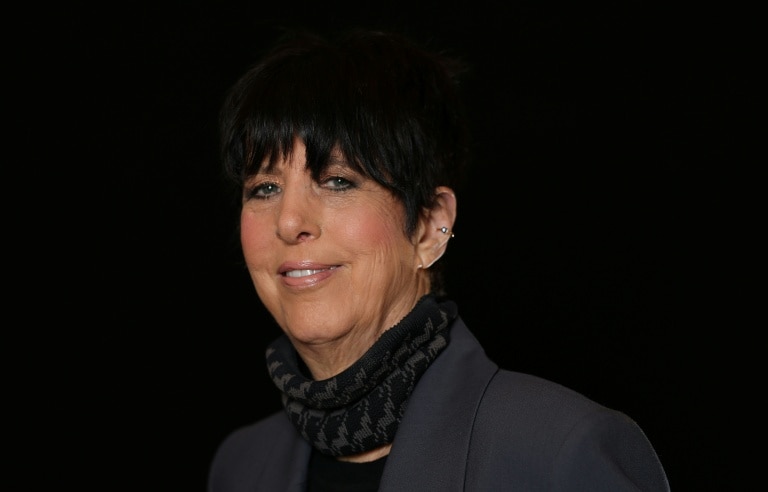
After an unprecedented 17 nominations spanning nearly four decades, legendary songwriter Diane Warren stands on the precipice of potentially claiming her first competitive Academy Award. The 68-year-old music icon, recognized for penning timeless hits like Aerosmith’s “I Don’t Want to Miss a Thing” and Celine Dion’s “Because You Loved Me,” has become a perennial Oscars fixture despite never securing the golden statuette.
This year’s nomination carries profound personal significance for Warren. Her nominated composition, “Dear Me,” serves as an emotional letter of empowerment to her childhood self. Featured in the documentary “Diane Warren: Relentless,” the Kesha-performed ballad directly addresses Warren’s experiences with childhood bullying and isolation. “This is my most personal song I’ve ever done for a movie,” Warren revealed, describing how music provided salvation during her difficult youth.
The Grammy-winning songwriter conceptualized the piece as a therapeutic message to her younger self, assuring that life would eventually improve despite contemporary hardships. With characteristic humor, Warren added that she envisioned telling her bullied younger self that “you’re going to go back to your reunion, they’re going to look really old, you’re going to still look good, too.”
Despite holding the record for most Oscar nominations without a win, Warren maintains philosophical perspective about the recognition. She emphasizes that selection by the Academy’s music branch—comprising esteemed composers, songwriters, and music editors—already constitutes victory among hundreds of contenders.
Warren faces competition from Nicholas Pike’s “Sweet Dreams of Joy” from the opera documentary “Viva Verdi!,” alongside entries from “KPop Demon Hunters,” “Train Dreams,” and “Sinners.” Pike, a first-time nominee, echoed Warren’s sentiment that nomination itself represents extraordinary achievement, remarking that “everyone is a winner” among the distinguished finalists.
The 98th Academy Awards ceremony on March 15 will determine whether Warren’s 17th attempt finally yields that transformative victory, potentially crowning one of American music’s most influential careers with its missing ultimate accolade.