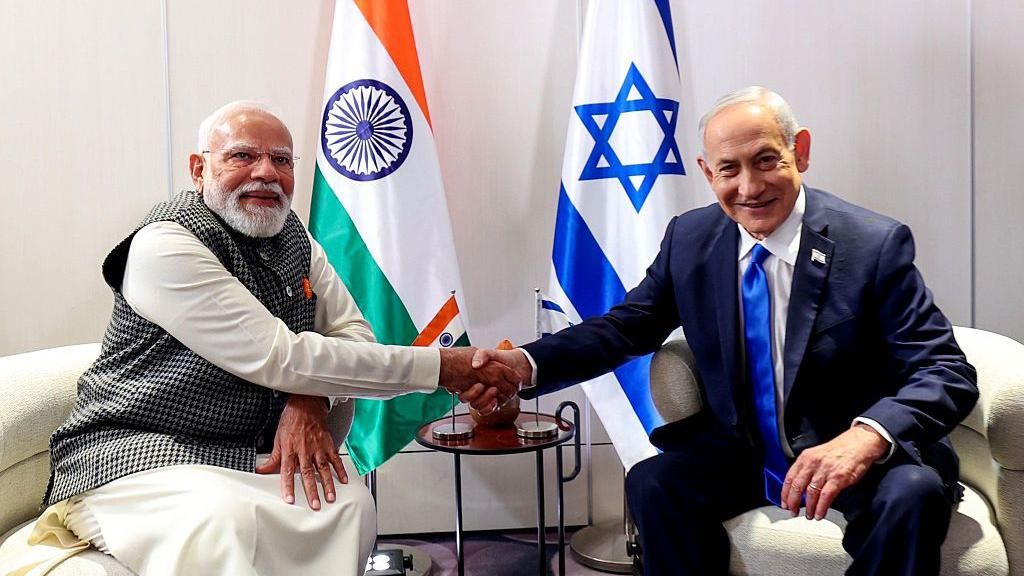
Indian Prime Minister Narendra Modi concluded a significant two-day diplomatic mission to Israel, marking his second visit since 2017 and resulting in the establishment of a Special Strategic Partnership between the two nations. The visit produced over a dozen bilateral agreements spanning defense, artificial intelligence, cybersecurity, space exploration, trade, education, investment, agriculture, and economic cooperation.
During joint statements with Israeli Prime Minister Benjamin Netanyahu, both leaders announced progress toward a comprehensive free trade agreement while condemning terrorism unequivocally. Modi specifically endorsed US President Donald Trump’s peace plan for Gaza during a news conference, stating that “humanity must never become a victim of conflict” while affirming India’s support for peaceful resolution efforts.
The Indian leader paid respects at Yad Vashem, Israel’s Holocaust memorial, and addressed the Knesset where he expressed solidarity with Israel following the October 2023 Hamas-led attacks: “We feel your pain. We share your grief. India stands with Israel, firmly, with full conviction, in this moment, and beyond.”
Significant practical outcomes included Israel’s commitment to admit 50,000 additional Indian workers over the next five years and India’s extension of its Unified Payments Interface (UPI) digital payment system to Israel, enhancing financial connectivity between the nations.
The visit faced domestic criticism in India, particularly from opposition Congress party spokesperson Jairam Ramesh who accused the Modi government of abandoning Palestinian interests. However, analysts viewed the diplomacy as reflecting India’s long-term strategic requirements in the Middle East, with Kabir Taneja of the Observer Research Foundation noting that regional stability remains “critically important” for India’s broader interests.