SYDNEY — In response to a catastrophic collision during the New Zealand regatta that left two competitors with serious injuries, SailGP officials are actively exploring significant safety enhancements for their high-performance catamaran fleet. The proposed measures include installing cockpit airbags and reinforcing vessels with Kevlar safety straps to prevent future penetrations during impacts.
The incident occurred two weeks ago in Auckland when New Zealand grinder Louis Sinclair sustained bilateral leg fractures and French sailor Manon Audinet required extensive hospitalization for thoracic injuries following a high-speed collision between their competing vessels. This marks the most severe safety incident since the league’s establishment in 2019.
Speaking on the eve of Sydney’s harbor races, SailGP CEO Russell Coutts—an Olympic gold medalist and America’s Cup veteran—confirmed the organization’s comprehensive review of the Auckland accident. While affirming the adequacy of emergency response protocols, Coutts emphasized the investigation’s focus on implementing advanced protective equipment to mitigate risks inherent to the sport’s extreme nature.
‘We’re evaluating numerous innovative solutions,’ Coutts told Australian Associated Press. ‘Potential interventions include internal cockpit airbag systems and external Kevlar reinforcement straps to create penetration-resistant barriers.’
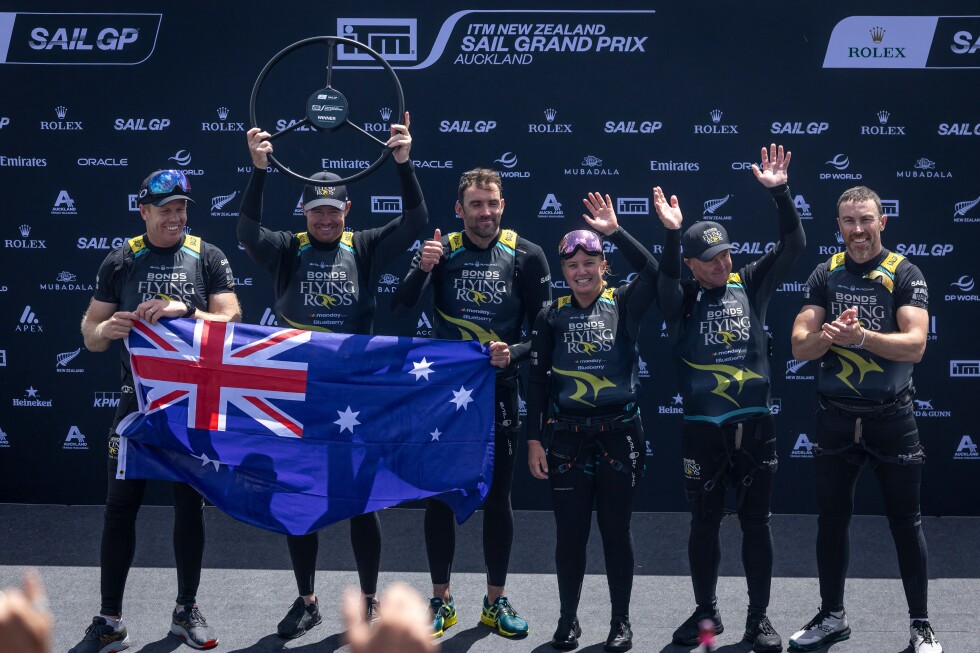
The sailing community acknowledges the inherent dangers of SailGP competitions, where thirteen identical 50-foot foiling catamarans maneuver at speeds exceeding 100 km/h (60 mph) within confined racing circuits. Australian team skipper Tom Slingsby, whose crew prevailed in the Auckland event, anticipates reduced collision risks during Sydney’s races due to forecasted moderate breezes, though unusual easterly winds may present navigational challenges.
Slingsby, whose team counts Hollywood figures Hugh Jackman and Ryan Reynolds among its investors, articulated the sport’s fundamental risk-reward balance: ‘We’ve dedicated our lives to mastering these conditions and believe in pushing athletic boundaries while maintaining respect for safety protocols. The objective is risk reduction rather than elimination.’
The collision’s aftermath continues to impact competition logistics, with both French and New Zealand teams absent from Sydney’s event. While French technicians race to repair their vessel for April’s Rio de Janeiro regatta, New Zealand’s championship aspirations face jeopardy with potential missed participation in multiple upcoming events.
The Sydney harbor races—SailGP’s seventh appearance in these waters—will feature twilight competitions across Saturday and Sunday, culminating in Sunday’s championship determination.