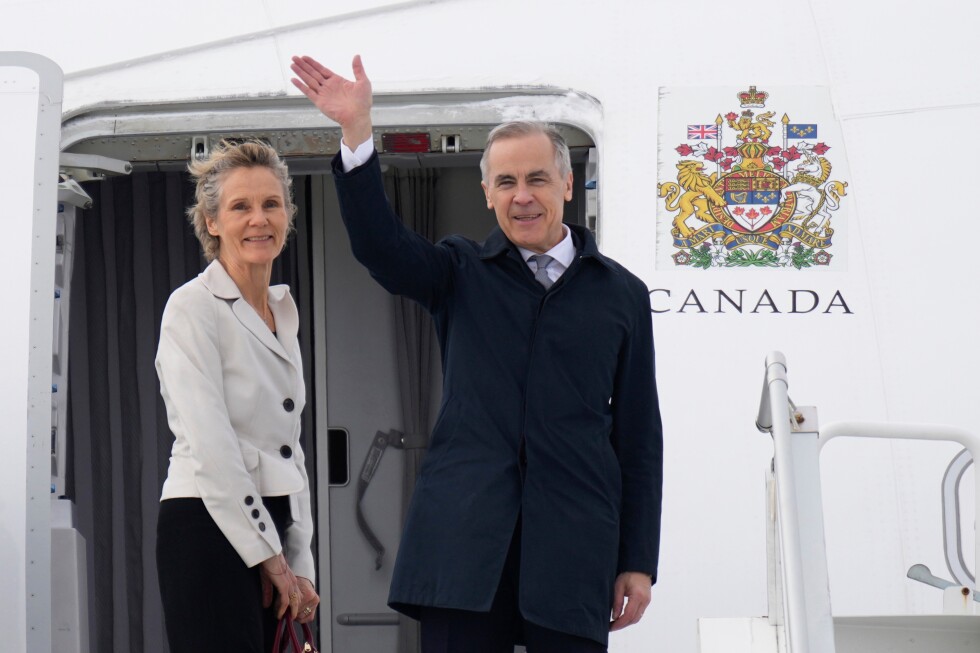
Canadian Prime Minister Mark Carney has embarked on a strategic mission to India this week, signaling a significant shift in Canada’s foreign policy approach aimed at reducing economic dependence on the United States. The visit marks Carney’s first official trip to the world’s fourth-largest economy since taking office, representing a deliberate effort to repair bilateral relations following a serious diplomatic crisis.
The diplomatic rupture occurred in September 2023 when former Prime Minister Justin Trudeau publicly alleged Indian government involvement in the killing of Sikh separatist leader Hareep Singh Nijjar near Vancouver. New Delhi vehemently denied the accusations and counter-alleged that Canada was harboring extremists, creating what Professor Daniel Béland of McGill University described as “a spectacular deterioration of Canada-India relations.”
Nijjar, a prominent advocate for the banned Khalistan movement seeking an independent Sikh homeland, was considered a human rights activist by Sikh organizations. The allegations extended beyond Canada, with U.S. prosecutors also accusing Indian officials of directing a failed assassination plot against another Sikh separatist leader in New York.
Current Public Safety Minister Gary Anandasangaree acknowledges that significant work remains to prevent Indian government agents from coercing or intimidating individuals within Canada. Sikh community representatives have expressed deep disappointment with Carney’s approach, viewing it as capitulation to Indian interests despite ongoing concerns about activist harassment.
The diplomatic reset occurs against the backdrop of escalating trade tensions with the United States. President Donald Trump’s recent threat to impose 100% tariffs on Canadian goods over proposed China trade deals has accelerated Ottawa’s urgency to diversify trade relationships. Carney has explicitly set a goal to double Canada’s non-U.S. exports within the next decade.
Professor Robert Bothwell of the University of Toronto notes that Carney’s ‘Davos doctrine’—condemning economic coercion by great powers against smaller nations—finds practical application in this outreach to India. Both countries share mutual interest in stabilizing trade relationships amid what Bothwell characterizes as Trump’s “whimsical, capricious and aggressive use of tariffs as a weapon.”
Despite the historical tensions, economic pragmatism appears to be driving reconciliation. India ranked as Canada’s seventh-largest trading partner in 2024, with both nations having moved to advance a trade deal last year after years of mistrust. Political analyst Nelson Wiseman observes that attitudes between the two nations have taken “a 180-degree turn” under Carney’s business-oriented leadership, contrasting sharply with his predecessor’s approach.