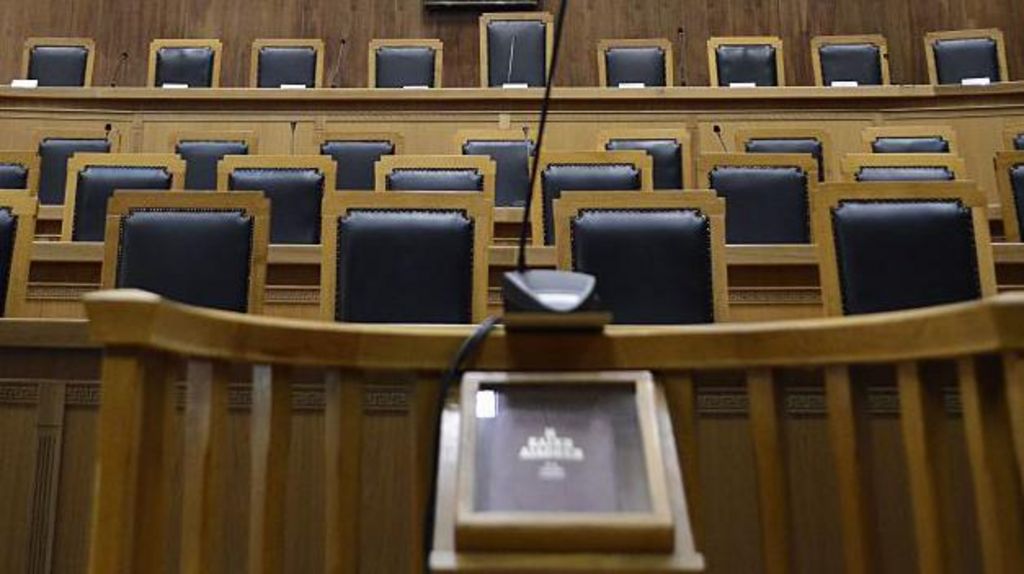
An Athens misdemeanor court has delivered landmark convictions in Greece’s extensive wiretapping scandal, sentencing four individuals for their role in illegally surveilling prominent citizens using Predator spyware. The case, widely dubbed “Greece’s Watergate,” exposed systematic targeting of 87 high-profile figures including government ministers, military officials, and journalists.
The convicted defendants—two Greek nationals, Felix Bitzios and Yiannis Lavranos, and two Israeli citizens, Tal Dilian and Sara Hamou—were found guilty of violating telecommunications confidentiality and illegally accessing personal data. Despite being tried in absentia, each received suspended sentences pending appeal that could theoretically reach 126 years, though Greek law limits actual service to eight years for misdemeanor convictions.
Notably, the court rejected defense pleas for mitigation, with the presiding judge noting defendants appeared to act alongside “unknown third parties” potentially including Greek and foreign intelligence officials. This finding prompted judicial authorities to refer case documents to the Athens Prosecutor’s Office for potential espionage investigations.
The scandal originated in summer 2022 when Nikos Androulakis, now leader of Greece’s Socialist Pasok party, was alerted by European Parliament IT specialists about a malicious text message targeting his device. Subsequent revelations showed Androulakis had been simultaneously tracked by Greece’s National Intelligence Service (EYP) for “national security reasons.”
Predator spyware, developed by Athens-based Israeli firm Intellexa, enables comprehensive device access including messages, cameras, and microphones. Though illegal in Greece at the time of deployment, controversial 2022 legislation later legalized state surveillance software under strict conditions.
The verdict has intensified scrutiny around Prime Minister Kyriakos Mitsotakis’s administration, which directly supervised EYP during the surveillance period. While Mitsotakis acknowledged the scandal, no government officials have faced charges, prompting accusations of institutional cover-ups.
Financial reporter Thanasis Koukakis, among those surveilled, told BBC the ruling provided satisfaction regarding privacy violations while affirming Greece’s rule of law safeguards. Legal representatives for victims emphasized the judgment must now trigger thorough investigation into potential felony offenses by additional conspirators.