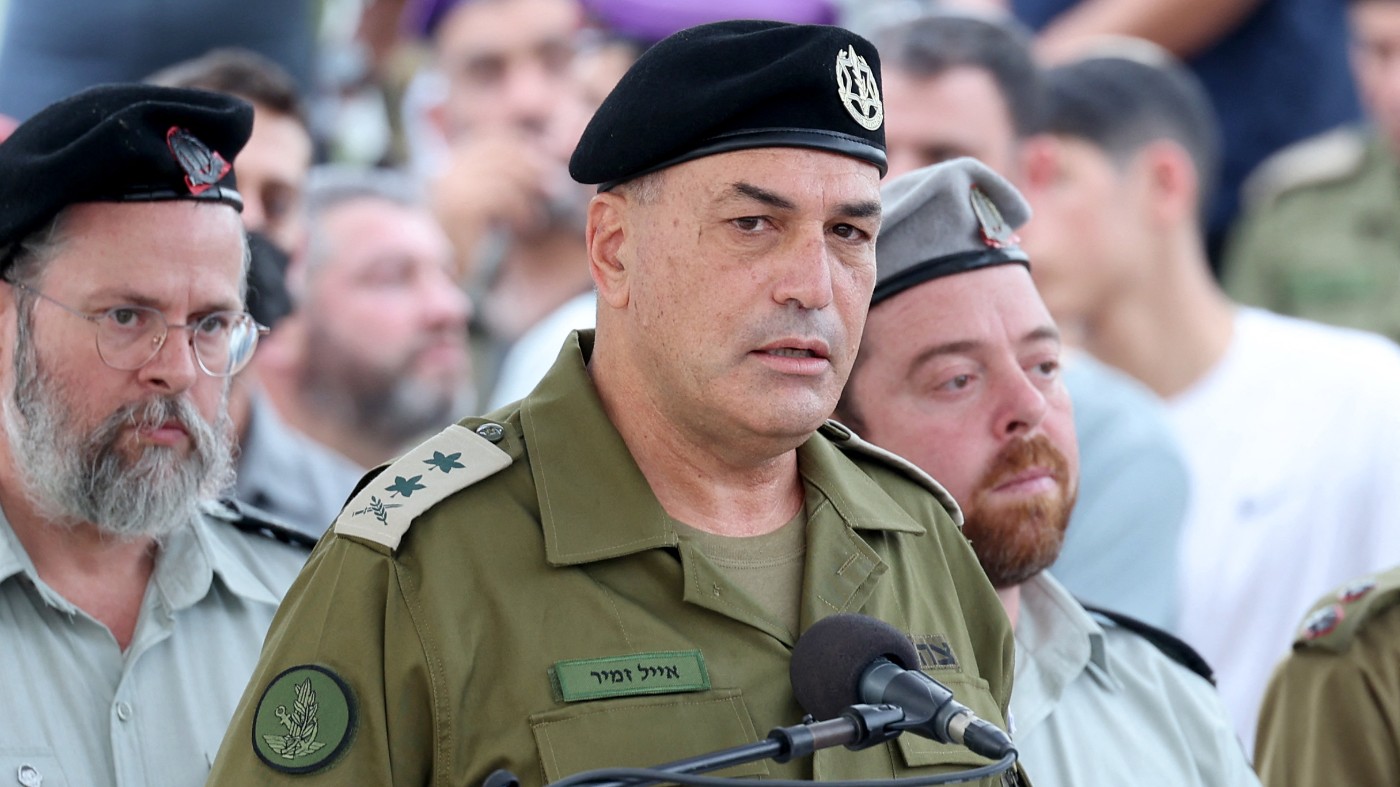
Israel’s top military commander has expressed grave concerns in private deliberations about the catastrophic implications of escalating hostilities with Iran, even as official channels maintain public silence on the matter. Chief of Staff General Zamir, who assumed leadership of Israel’s Defense Forces in March 2025, has reportedly cautioned senior officials about the severe national security risks that would emerge from such a confrontation, according to revelations by Ynet on Thursday.
The military establishment faces significant political pressure from Prime Minister Netanyahu’s administration to refrain from public discussion of potential consequences and strategic risks associated with military action against Iran. This suppression of military assessment occurs amid heightened regional tensions and widespread public anxiety about possible conflict escalation.
Military strategists within Israeli defense circles anticipate that any U.S.-Israeli coordinated action against Iran could trigger a prolonged war of attrition, potentially lasting several months. This scenario would involve sustained missile attacks targeting Israeli territory not only from Iran but also through proxy forces in Lebanon, Yemen, and Iraq. The economic impact on Israel’s economy would be substantial, with defense analysts predicting severe strain on national resources.
Despite Israel’s military preparedness following the June 2025 exchange with Iran, current planning does not account for a joint American-Israeli offensive operation. The Israeli military remains focused on rebuilding its operational capabilities and strengthening defensive positions.
Diplomatic efforts continue simultaneously, with U.S. envoys Steve Witkoff and Jared Kushner engaging Iranian Foreign Minister Abbas Araghchi in Geneva negotiations. These talks occur against a backdrop of anticipated American military action and dangerously elevated tensions affecting the Israeli population.
Prime Minister Netanyahu delivered characteristically stern warnings to Iran during a Knesset address, stating Israel would respond with unimaginable force to any aggression. However, the Israeli public remembers the recent conflict’s devastation—30 fatalities, 3,200 injuries, and approximately $3 billion in damages from Iranian missile strikes in June.
The psychological and physical scars remain fresh for many citizens. In Bat Yam, near Tel Aviv, hundreds of residents still cannot return to their homes eight months after the previous conflict. Smadar Ronen, a Tel Aviv lawyer evacuated during the June strikes, describes suffering from PTSD and sleeping difficulties while criticizing the government’s inadequate support for affected civilians. Her experience mirrors that of over 15,000 evacuated residents who continue struggling with the war’s aftermath.
Current military movements, including frequent U.S. aircraft arrivals and naval deployments in the Mediterranean, further intensify public apprehension without accompanying official reassurance, creating an atmosphere of heightened anxiety throughout Israeli society.