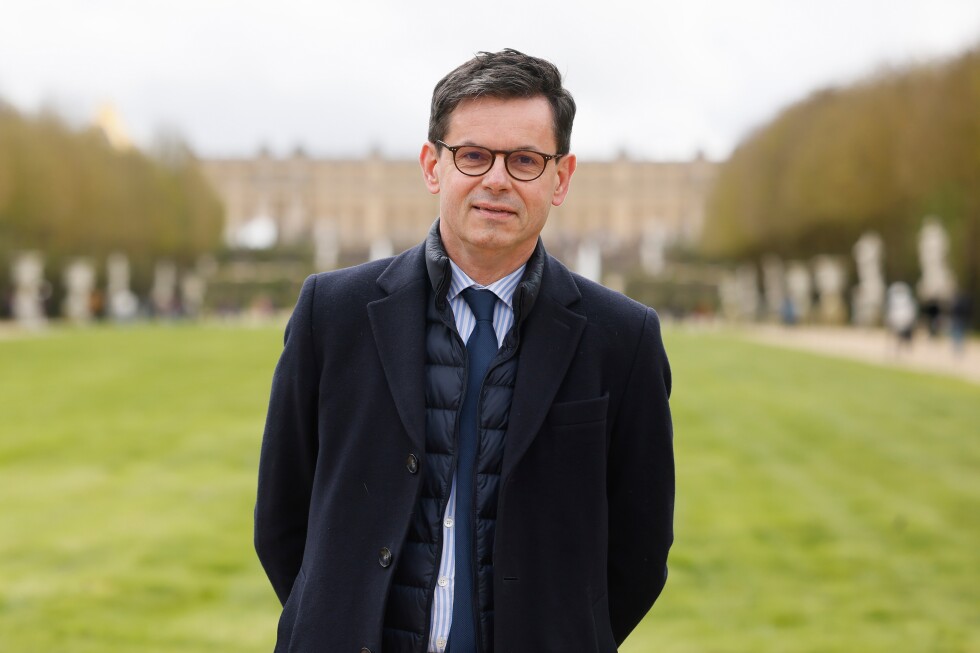
The Louvre Museum in Paris, home to Leonardo da Vinci’s iconic Mona Lisa, has appointed seasoned art historian Christophe Leribault as its new director following the resignation of Laurence des Cars. This leadership transition comes amid multiple institutional crises that have plagued the world’s largest museum.
The appointment, announced Wednesday by French government spokeswoman Maud Bregeon, places Leribault at the helm of an institution reeling from a brazen October heist of French crown jewels that exposed critical security vulnerabilities. The daylight theft represents one of the most high-profile museum robberies in recent memory.
Beyond security concerns, the former royal palace faces mounting challenges including infrastructure decay, staff disputes, and financial irregularities. Recent revelations of a suspected decade-long ticket fraud operation potentially costing the museum €10 million ($11.8 million) have intensified pressure for institutional reform.
The Louvre’s physical plant shows significant wear with reported water leaks damaging priceless collections, burst pipes near the Mona Lisa exhibition space, and aging facilities struggling under the strain of mass tourism. Staff walkouts over chronic understaffing, visitor overcrowding, and controversial ticket price increases for non-European visitors have further compounded operational difficulties.
Leribault brings substantial administrative experience from his current role directing the Palace of Versailles, where he managed an annual budget of approximately €170 million ($200 million). His previous leadership at Paris’ Orsay Museum and oversight of Versailles during its role as an Olympic equestrian venue for the 2024 Summer Games demonstrate his capability with large-scale cultural operations.
Bregeon emphasized that Leribault will spearhead “crucial projects for the institution’s future,” including security enhancements, modernization initiatives, and the ambitious “Louvre New Renaissance” renovation plan championed by President Emmanuel Macron. Unveiled in January 2025, this comprehensive decade-long modernization project aims to address systemic issues created by overwhelming visitor numbers.
The renovation blueprint includes a new Seine River entrance to alleviate congestion at I.M. Pei’s pyramid, expanded underground spaces, and a dedicated timed-access chamber for the Mona Lisa—all designed to improve visitor flow and experience. With an estimated cost of €700-800 million ($826-944 million), funding will come from ticket revenues, state support, private donations, and income from Louvre Abu Dhabi.
The Culture Ministry highlighted Leribault’s “extensive experience at the helm of major institutions” and stated his priorities will include strengthening security protocols, ensuring building and collection safety, and restoring institutional trust.