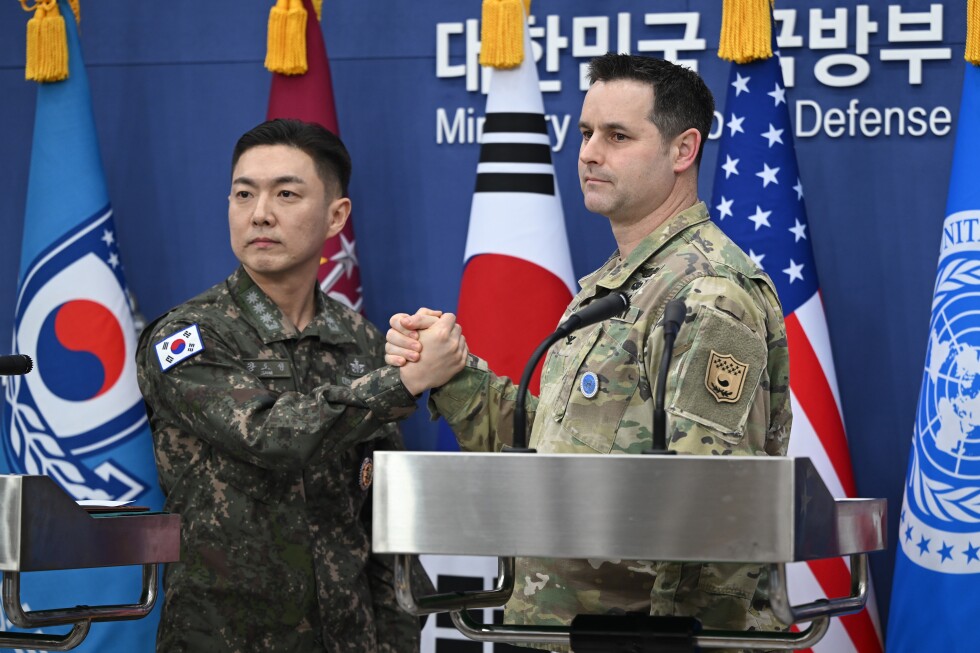
SEOUL, South Korea — The United States and South Korean militaries have officially confirmed their upcoming annual Freedom Shield joint military exercises, scheduled for March 9-19. This announcement comes during a period of heightened diplomatic tensions with nuclear-armed North Korea, which has consistently condemned such drills as rehearsals for invasion.
The Freedom Shield exercises represent one of two major annual command post simulations conducted by the allies, alongside the Ulchi Freedom Shield drills in August. These computer-simulated exercises are designed to enhance combined operational capabilities through evolving war scenarios and contemporary security challenges. The March drills will be complemented by the Warrior Shield field training program, aimed at increasing tactical realism and combat preparedness, according to Colonel Ryan Donald, public affairs director for U.S. Forces Korea.
This military preparation unfolds as North Korea conducts a significant political conference where leader Kim Jong Un is anticipated to outline his strategic domestic, foreign policy, and military objectives for the coming five years. Experts suggest Kim may use this platform to reinforce his hard-line stance toward South Korea, demand the removal of denuclearization preconditions for talks, and announce further integration of nuclear and conventional forces.
The timing is particularly sensitive given North Korea’s rapidly advancing nuclear weapons program, which now includes systems capable of targeting U.S. allies in Asia and potential long-range missiles reaching American territory. Despite South Korean President Lee Jae Myung’s expressed desire for inter-Korean engagement and hopes that former President Trump’s anticipated visit to China might facilitate renewed diplomacy, North Korea has repeatedly rejected calls to resume denuclearization talks.
Colonel Jang Do-young of South Korea’s Joint Chiefs of Staff clarified that while the exercises won’t simulate responses to nuclear attacks, they will include training specifically aimed at deterring nuclear threats. The allies continue to discuss specifics of the field training component, with participation numbers typically reaching thousands of personnel.
The regional security landscape is further complicated by intensifying U.S.-China competition, prompting Washington to encourage Seoul to assume a greater defense burden against North Korea as America shifts focus toward China. Meanwhile, Kim Jong Un has prioritized relations with Russia, providing military support for Moscow’s war in Ukraine, potentially in exchange for aid and technological assistance.