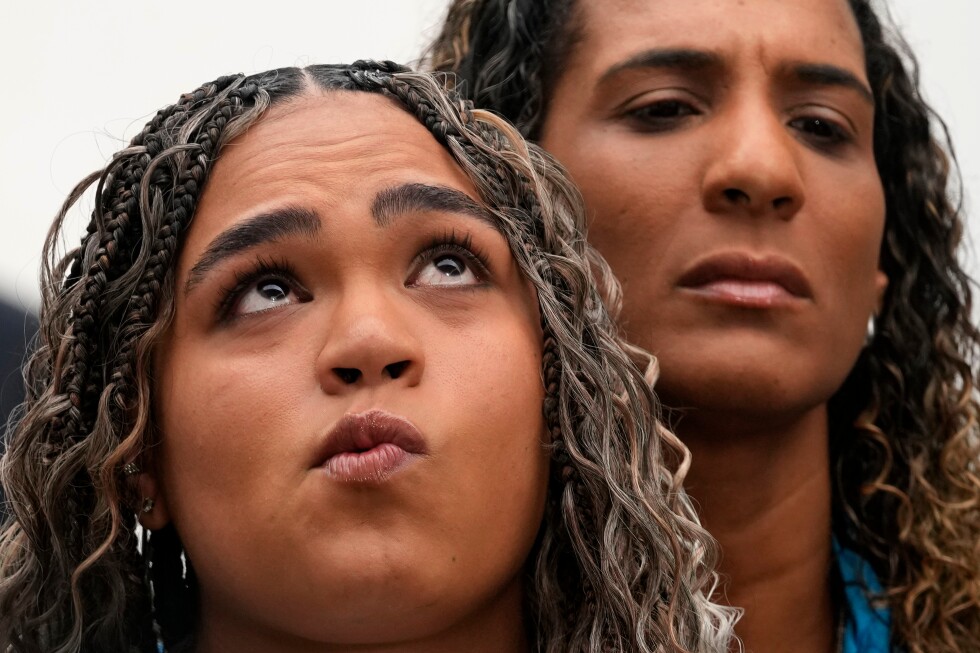
Brazil’s Supreme Court commenced a historic trial on Tuesday for the high-profile 2018 assassination of Rio de Janeiro councilwoman Marielle Franco and her driver Anderson Gomes. The proceedings mark a pivotal moment in a case that transformed Franco—a Black, bisexual human rights advocate for marginalized communities—into an international symbol of political resistance.
A five-judge panel will adjudicate charges against five defendants: former congressman Chiquinho Brazão; his brother Domingos Brazão, who served on a Rio government watchdog body; their assistant Robson Calixto Fonseca; police investigator Rivaldo Barbosa; and former police officer Ronald Paulo Alves Pereira. The Brazão brothers, arrested in 2024 as alleged masterminds, have been connected to vigilante militia groups that frequently clashed with Franco’s advocacy work.
Prosecutorial evidence relies substantially on plea bargain testimonies from former police officers Ronnie Lessa and Élcio Queiroz, who received 78 and 59-year sentences respectively in October 2024 for their direct roles in the drive-by shooting. Investigations suggest the murder was motivated by Franco’s legislative efforts to regulate public housing land—a proposal that allegedly angered Chiquinho Brazão during their simultaneous tenure on the city council.
The trial commenced with Justice Alexandre de Moraes presenting a case summary, followed by statements from the Attorney General’s office and defense lawyers. A verdict from the judicial panel is anticipated between Tuesday evening and Wednesday morning.
Despite the trial’s significance, crime expert Chico Otávio, author of a book on Franco’s killing, cautioned that convictions would represent merely symbolic victory rather than substantive progress against Brazil’s powerful militia groups. Meanwhile, United Nations experts issued statements calling for transparent proceedings and comprehensive justice, while Anielle Franco—Marielle’s sister and Brazil’s current racial equality minister—emphasized the trial’s critical importance for strengthening Brazilian democracy against patterns of violence, racism, and misogyny.