The Erbil Air Base in Iraq’s Kurdistan region has emerged as a potential flashpoint amid escalating tensions between the United States and Iran. This strategic military installation, co-located with Erbil International Airport, has become increasingly vulnerable as coalition forces reposition personnel anticipating possible Iranian retaliatory strikes.
Historical precedent underscores the base’s vulnerability. Since 2018, the Kurdistan region has endured repeated attacks from Iran and its proxies utilizing drones, rockets, and ballistic missiles. A suicide drone was intercepted above the airport in July, while a January attack targeted an Iranian Kurdish opposition party, resulting in casualties.
The current military buildup includes approximately 100 aerial refuel tankers, carrier strike groups, and fighter squadrons deployed throughout the region. This mobilization coincides with critical nuclear negotiations between Washington and Tehran, with former President Trump not excluding military action should diplomacy fail.
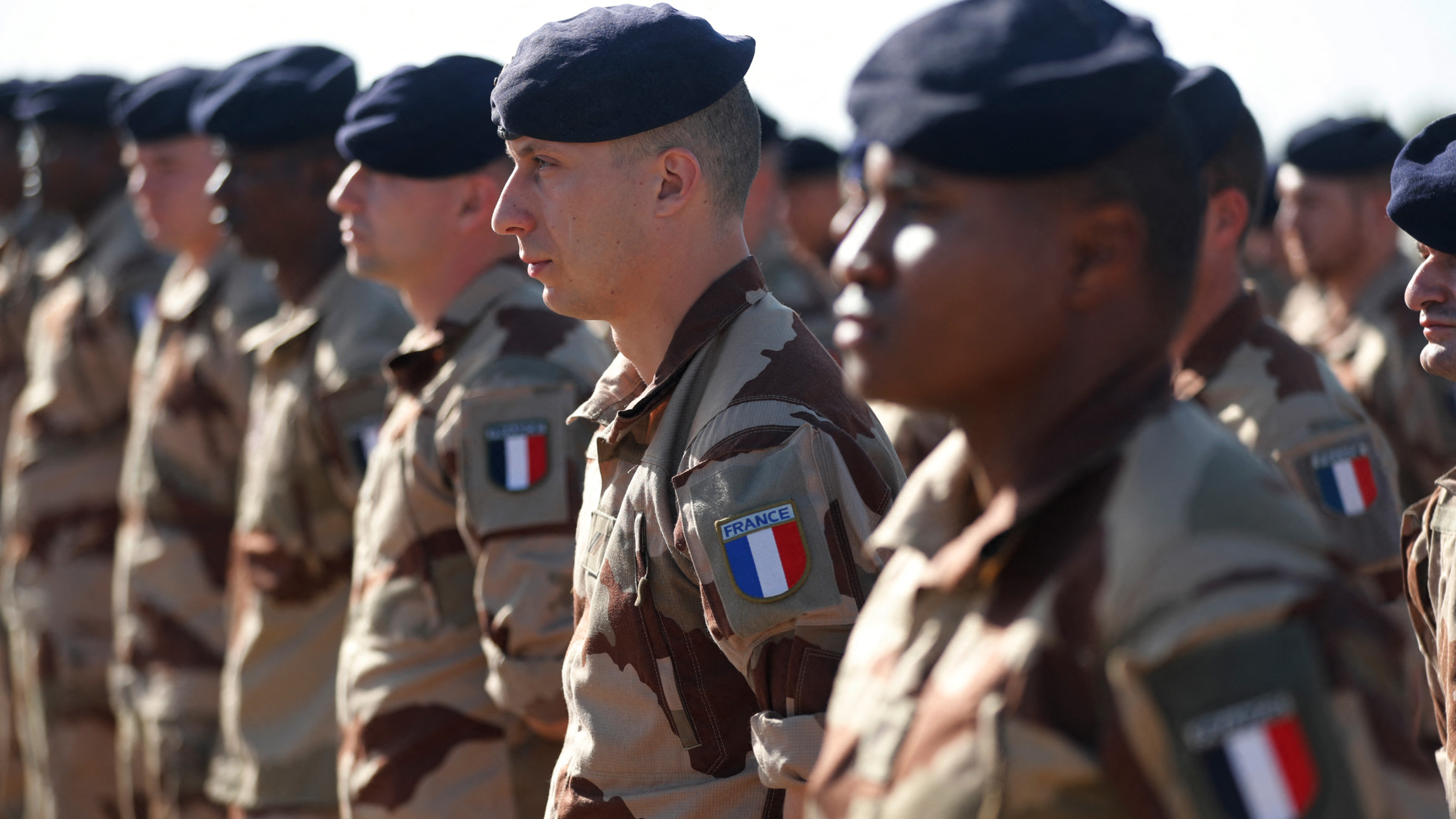
Multiple sources confirm that nearly half of coalition forces have been withdrawn or repositioned from Erbil as a precautionary measure. While U.S. and Hungarian troops maintain their presence, Norwegian, Swedish, Italian, and French contingents have relocated. Norway and Germany have officially acknowledged withdrawing personnel, citing regional tensions and force protection concerns.
The base’s strategic significance has intensified following the coalition’s consolidation of forces in Kurdistan. According to the Pentagon Inspector General’s report, coalition headquarters relocated to Erbil and Kuwait after transferring facilities in Baghdad to NATO and returning al-Asad Airbase to Iraqi control in late 2023. This consolidation effectively makes Erbil the sole remaining U.S. base in Iraq.
Nicholas Heras of the New Lines Institute notes that the base represents both a strategic vulnerability and a symbolic target: ‘Attacking it provides the Iranians with an opportunity to make a declaration to local U.S. partners in the region as to the cost of working with the Americans.’
With estimates suggesting fewer than 2,000 troops remain in Erbil, military analysts indicate the U.S. is preparing for potential conflict while minimizing personnel exposure. The situation remains fluid as diplomatic efforts continue, with regional stability hanging in the balance.